Also the fins look clamped downward towards the body and are not fanned properly. What causes betta fins shredded overnight.
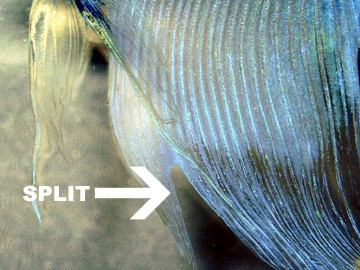
Fin Blow Out Fish Care
Symptoms of fin loss include split or torn fins or small pin-sized holes in the fins.

Betta with hole in middle of fin. Bettas develop this when they are kept in poor water conditions for a while. Weird bubble on bettas ventral fin and a pic of it I just noticed this weird bubble on my bettas ventral fin. When you notice the symptoms of hole in the head in your betta especially white stringy feces you should begin treating him with dimetridazole.
Its actually physical damage caused by something in the tank so thankfully its pretty easy to fix. Other factors like lousy water quality betta fins nipping and injury may also lead to holes in betta fins or as they are technically called a betta fin blow out. 50-60 waterchange every 5-7 days last 4 days ago Silk and some life plants.
Hole in the Head. The boredom of Betta is the most common reason why Betta will lose their fins. You may also observe that they stop eating.
As with most fish illnesses the potential for disease is almost always in your tanks water but when they strike it can be a pointer to other problems like poor water quality fish stress or other contributing factors. Fin tearing - Usually thin shreds or holepuncture marks in the fins and tail. Im not a water guru but Im sure someone else will explain the whys.
There might be several causes behind such holes in betta fins. Bettas have very delicate fins and because of that cant have plastic plants - only silk or live. Posted by 5 days ago.
Here are parameter readings. It can be caused by bacteria or fungi. Start doing daily water changes for about 40-50.
More common in uncycled tanks and small bowls fin rot attacks and begins to eat away at a betta fishs beautiful fins. Because bettas fins are so delicate fin loss is caused by something in the tank such as. Plastic will rip their fins.
Partial changes at least once a week is the key to healthy fins. As the name suggests this disease affects the fins and tails of betta fish. Betta fin rot holeI just changed the substrate in my betta tank yesterday and observed that my betta is looking silver on his beard today and has pinhole fin rot in 2 places.
Fin tearing - Usually thin shreds or holepuncture marks in the fins and tail. I just noticed my betta has tiny holes in his fins and i dont quite understand know what it could be. Started doing the once a day partial change and after the week no more holes or original holes getting bigger.
Well the good news is fin loss isnt a disease. Boredom makes them stay dull and develop serious health conditions. Fortunately platies lack long-flowing tails and even their colors will not aggravate the bettas.
Nothing to puncture in the tank. Usually caused by improper nutrition or habitat cleanliness early signs of hole in the head disease include small sores dents or pin-holes on the surface of the bettas head and above its eyes. Hello all This is my first betta my boyfriend is in the Navy and we decided that a fish would be something that would be easy for me to take care of while he is away.
I noticed a little holetear in my bettas upper fin today and im worried for her so i tested the parameters. We decided to name him Iiro. If you are fortunate enough to have your betta that long you might at times notice small holes and tears in his fins and tail.
Plastic will rip their fins. Bettas are typically aggressive to fish that have similar attributes to them. 10 Gallon - set up 4 months - cycled for at least 3.
It is vital to have the good health of the Betta to produce the large fin tail. I have no idea what it is and I am worried its hurting him because it is bending his fin into a weird position. My betta s fins started to tear recently and this morning I found tiny hole on his fin.
Hole in the Head. The fins and tail appear to melt away or discolor as a result of rotting. Small holes can also just be from the betta flaring.
Fin and Tail Rot. This is probably a pinhole. Caused by a sharp object in the tank.
If your betta develops bloat and you think it may be caused by a disease rather than by constipation move your fish into a quarantine tank where he can be treated in isolation. Under optimum conditions bettas can live for two or three years. Bettas have very delicate fins and because of that cant have plastic plants - only silk or live.
They always healed back up with no problem. Hes incredibly dosile I havent even seen him flare once so I dont think its that. Fin rot can be encouraged by a rip in the fin so it may have started as a single rip and fin rot has started to eat away at the fin.
Betta Fins Turning Brown Has Small Holes Stomach Bloating. There are a number of causes but thankfully tears are. You will observe that the Betta fish is not usually very active and can note down its activities accordingly.
He is in a 3 gallon aquarium with no sharp decorations. I do daily 25 water changes now 1 teaspoon of aquarium salt 1 indian almond leaf to help him heal quicker. Finrot in my opinion.
Feed your betta a high-quality diet of betta fish pellets and be sure to include plenty of live freeze-dried and frozen meat protein too. I had a Betta once that started getting holes. Among the most common reasons flaring is one of them.
Caused by a sharp object in the tank. After a week or two it should start healing. This is basically fin rot.
Betta infected with hole in the head have an abrasion on the head that looks like a pinhole or white fuzz. In a healthy fish the fins will always be whole but as it gets sick its fins may start getting ripped or have holes in it. Betta fin rot and tail rot melt is a gram-negative bacterial infection or fungal infection that is extremely prevalent in betta fish.
Observing holes in betta fins is quite common and is generally nothing serious. I had a betta that would flare often and he always developed round holes in his tail fin. I think my ph is too high.
And remember you should be aiming to prevent hole in the head from occurring in the first place by feeding your betta a balanced diet and making sure the water is clean. Some platies can fin nip so lookout for ragged tails on your bettas. I left the house today at 4 and everything was fine.
It can be prevented by keeping the aquarium or living conditions of the fish clean. The tank parameters are.
However you can identify the difference based on its cause. I noticed today while looking at a picture of my betta from when i first got him that the shape of his tail is now quite different.

Betta Fish Fin Tear Or Rot My Aquarium Club
Although lower parts of his fins also have been tearing also.

Betta fin rot vs tear. For now just keep in mind that bacterial fin rot causes your bettas to. I dont think it is fin rot since it looks like a piece was pulled off by something not sure what though because his tank only has plants. Fin rot causes physical wear and tear to the fins and other areas of your bettas.
Fin rot is a condition caused by a bacterial infection that causes the fins of your betta fish to become ragged and tattered. Answer 1 of 3. I would also like to add that bettas do not really like soft water in general they like basic water so a ph of 7-75 is ideal.
Im not sure what to do. A bettas fin grows at about the same rate as your fingernail so if the fin rot is severe it may take a matter of months before the fins are fully healed. Healthy fin a little choppy but normal.
Make sure any new water is free of. Both in terms of treatment and causes. Be careful not to confuse fin rot with fin biting tearing or splitting.
As with most fish illnesses the potential for disease is almost always in your tanks water but when they strike it can be a pointer to other problems like poor water quality fish stress or other contributing factors. Be careful with driftwood in betta tanks many peices are rough and have sharp pieces that can snag and tear a bettas long fins. The difference between fin loss and betta fin rot cannot be always identified obviously but there is a real difference.
I have silk plants and I havent found anything super sharp. The upper half is ragged and a bit shorter than the lower half. Oct 10 2021.
Still making bubble nests and has a ferocious appetite. The disease that causes your bettas fins to stick together is called Oodinium we will explain how to. You dont want to medicate an otherwise healthy fish.
Within a week new growth should begin with clear fins starting to. Bettas with heavy fins like your fellow are a bit more prone in that they can catch themselves on things easier and an infection has a better chance of setting in with all of those layers. The difference between fin rot ripped fins and a choppy looking fin naturally are a little hard to tell the difference between.
Betta Fins loss is the result of physical damage from sharp tank decorations nipping from other fish or snagged fins. Betta Fin Rot Causes. The water changes and gravel cleaning will reduce the number of disease organisms in the water and provide a cleaner environment for the fish to recover in.
We will cover this in greater detail later. These two issues are equally serious but treatment varies. Unstable water parameters including temperatures and pH levels can also trigger outbreaks of fin rot.
Now that Im thinking about it I think he may have always had a little indent there previously it didnt look torn just like a little defect or something but now its definitely worse. Im a novice to bettas but I try my best. For most hobbyists the treatment for fin rot is as simple as keeping up with complete clean water.
You need to change water at least once a week and Ive changed 50 of the volume of all my tanks we. Its also interesting to know that sometimes the fin wont grow back in the same color it was before it could be a few shades darker or lighter. However we explain several leads below.
These are due to physical injury from boredom fighting or snagging sharp decor. Hes supposed to be a delta tail. Usually this results in weak tattered fins that eventually start to tear and disintegrate.
For one tail biting is a self-destructive behavior brought on by stress and boredom in bettas. The link wont allow me to see anything so I cant tell if its fin rot or tail biting. Bettas are sensitive fish and they are vulnerable to the stress that fluctuating tank conditions can cause.
14 Betta fin melt. Most of the time the fins seem to stick together they actually start to rot often this is due to water that is not heated enough. In most cases fin rot is caused by poor water quality and infrequent water changes that weaken your bettas immunity and provide a breeding ground for bacteria and invite infection.
Notice how all the choppy edges are smooth and flow into one another. Do a 75 water change and gravel clean the substrate every day for 1 week. Fin rot is a bacterial infection that is believed to be the most common betta fish infection that seems to mostly affect large-finned varieties.
Fin rot can be encouraged by a rip in the fin so it may have started as a single rip and fin rot has started to eat away at the fin. What is Betta Fin Rot. In either case water changes will help.
Whereas fin rot is controlled by pathogens that eat away at fins without the bettas involvement. Some of that also looks like it could be fin biting. Wipe the inside of the glass down with a clean fish sponge.
If it is fin rot part of the problem is your water change routine which isnt sufficient. The way the webbing has receded from the rays makes me want to lean towards a fin rot or melt. I have a betta named butter and he was fine when I got him initially but after a week or so he got a bad case of fin rot.
Many people will tell you black e. Fin rot is most often seen in uncycled or dirty aquariums where the levels of ammonia nitrite and nitrates are very high. Blackened bloody fins and fins falling off or rotting away are pretty surefire signs that your betta could be experiencing fin rot.
This does seem cyclical as he will generally start healing for a week but then have about 3-5 days where his fins will tear. His fins her a ragged when I got him but I mostly chose him as he was the only one making a bubble nest in the fish store which I presume means hes pretty happyhorny. Put him in a fully cycled tank when I got him.
I treated him in a quarantine with silk plants and after his fin started growing back I placed him back in his original. It mostly occurs in weakened fish that have experienced physical injury been attacked by parasites or live in poor water conditions. My betta Echo has a torn fin.
Answer 1 of 5. The major difference here is the lack of white red or black edges around the deterioration. Healing should be easy just keep an eye out for rot blackening around the edges of the wounds.
Stress weakens the betta fishs immune system making. Double check that decor is all smooth.
This can be triggered by overfeeding or it can accompany younger bettas when their swim bladders are not yet completely formed. For 99 of koi poor water quality is the cause of swim bladder disease.

Betta With Swim Bladder My Aquarium Club
Swim bladder problem is when a betta has a disrupted swim bladder.
Betta swim bladders. Betta swim bladder disorder is your fishs inability to maintain itself in an upright position due to an enlarged swim bladder caused by constipation. This develops in the goldfish when they are just an embryo and it comes from an out pocket of the fishs digestive tract. This condition is typically seen in betta maintaining and it typically simply vanishes on its own.
This disorder is commonly seen in betta keeping and it. The Betta fishs swim bladder is a large organ located behind its intestines and extends until the tail. Most fish have two versions of the swim bladder.
Betta fish are able to breathe in oxygen at the waters surface. There are other possibilities but its best to rule out overfeeding first. Swim Bladder Disease SBD is a distressing condition that commonly affects bettas.
This organs function is to maintain the fishs buoyancy as it navigates various depths. This saves them energy because they are not consistently swimming to stay in one place or afloat. Swim bladder disorder refers to a collection of issues affecting the swim bladder rather than a single disease.
Types of Swim Bladders Disease Betta. Swim bladder - its an organ not an illness. The swim bladder is a gas-filled sac inside your fish.
Well almost all pet fish species have swim bladders so that fact is correct but it is not a disease. Swim bladder disorder is when a betta has a disrupted swim bladder. The condition is not a disease but rather a secondary symptom of other betta fish diseases or ailments.
Feeding the betta too much causes the stomach to become too large making it press against the swim bladder organ so the betta cannot manipulate it properly. Therefore it controls the position of the fish in the water. What Is Swim Bladder Disease In Betta Fish.
Instead of constantly swimming to stay in place the swim bladder does the work instead. Bony fish have a specialized organ known as the swim bladder. Sometimes it can be a symptom of a bacterial infection or a fin injury.
It is located behind all the other organs so if any of them swell it can affect your betta. Sometimes you see SBD usually thats just short for Swim Bladder Disease. Swim Bladder Disorder is actually hard to diagnose properly because any one of a Bettas internal organs can get infected and cause bloating.
Will swim bladder go away. To understand the issue you first need to know more about the swim bladder. Swim bladder disease is also known as Swim Bladder Disorder or Flip-over and most commonly affects betta fish and fancy goldfish.
It contains gas and is responsible for controlling the fishs buoyancy. Air can also get trapped in the stomach and intestines causing the fish to float. Its purpose is to control a fishs level of buoyancy allowing them to easily move up and down in the water staying afloat wherever they are.
However it does have the benefit of being fairly easy to treat. They have a channel that directly connects the bladders and the food system much like in humans. If your favorite betta fish isnt swimming the way he should there is a chance he is suffering from swim bladder disease.
Does swim bladder hurt fish. If you have a betta fish chances are its a Betta splendens since thats the most popular type of domesticated betta available around the world. The most common cause of betta swim bladder disorder is overfeeding.
The swim bladder is also known as the gas bladder or air bladder. This organ is very important to a betta fishs overall health. Swim bladder disease is a common problem in bettas but is easily treated.
Actually overfeeding is the most common cause of swim bladder disorder. All betta fish are bony and have an organ named a swim bladder. By inflating or deflating the swim bladder they move up and down through the water column.
The swim bladder is an organ that allows your betta fish to control its buoyancy. A lot of problems may also come with it such as betta fish swim bladder disease and dysfunction. Swim bladder disorder is when a betta has a disrupted swim bladder.
This disorder is commonly seen in betta keeping and it usually just goes away by itself. The swim bladder is located behind all the other organs. Yes swim bladder disorder can also be.
Its a vitally important specialized organ that most fish possess. Our very old sick Fighting Fish by JohnstonDJ is licensed CC BY-SA 20. Depending on the cause swim bladder disorders may be temporary or permanent.
This is a fairly common disease among bettas. Swim bladder disease is most common in goldfish and koi with a high percentage in fancy varieties of goldfish. What Is The Swim Bladder.
It helps the fish rise and lower in the water much like a buoyancy control device a diver might use. One often sees the term swim bladder used to describe any type of problem a fish may have when swimming. The swim bladder holds oxygen so the betta fish can stay buoyant which really means to be able to float or maintain a desired position in the water.
Your bettas swim bladder is the organ which allows him to control his buoyancy. Overeating increases their risk of swim bladder disorder. Helping your betta save energy and swim easier.
Betta along with most other bony fish have a gas-filled organ inside them called a swim bladder. Some fish are of the so-called open-bubble type ie. Fish can be conditionally divided into two types in which the work with filling the swim bladders with gas is structured differently.
Betta identifies the genus and splendens is the species in the same way that your pet dog can be identified by the genus and species Canis familiaris. Betta fish are highly sensitive to overfeeding. Although commonly seen in goldfish and bettas it can strike virtually any species of fish.
In the simplest terms swim bladder disorder is when a disruption occurs within the swim bladder of your betta. Betta splendens have a long and complicated history. This can be caused by overfeeding or it can occur with younger bettas when their swim bladders are not yet fully formed.
Bettas rely on their swim bladders to maintain their position in the tank. But the Swim Bladder itself is not a disease.
Other fish may nip at bettas fins causing damage. I current turned off his filter in fear of it getting worse his home is a 10G Tank.

Betta Torn Dorsal Fin Bettakus
Fin Rot Explained.
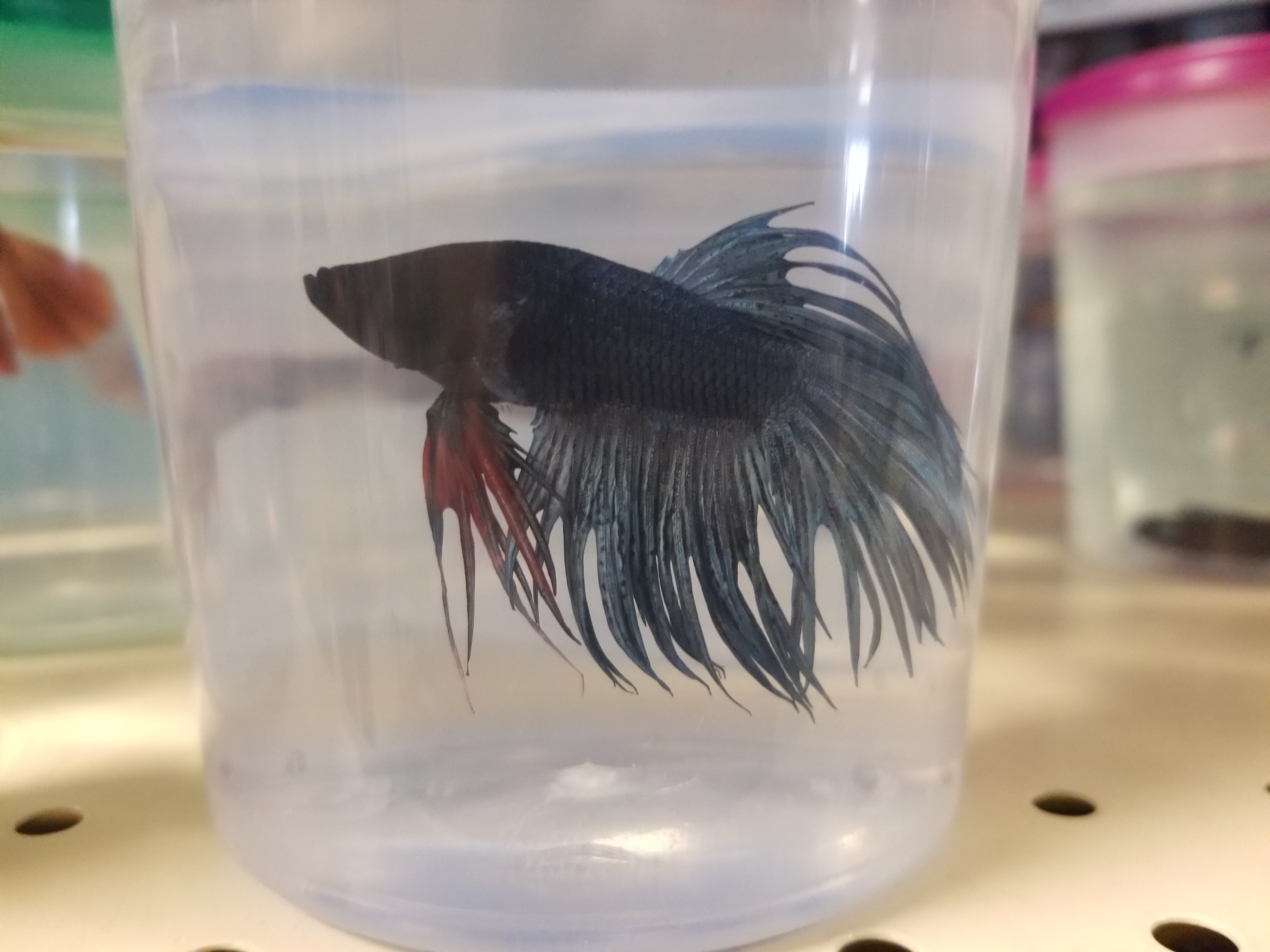
Betta fins torn. This is usually caused by a gram-negative bacteria or fungal infection which is prevalent in betta fish species. I have silk plants a sponge filter which is on the other side and two heaters idk why but just 1 didnt work the temperature dropped a lot. Hey Guys my Betta Neuro has recently had some problems with his fins.
A bettas distinctive vibrant fins are delicate and prone to damage. An injury that causes fin loss is usually caused by fin nipping or grabbing the delicate fins on something sharp in the tank which can result in fin loss. Torn Fins Fin Rot I am very worried as to what I should do.
It will appear as if your bettas fins have been through a blender. See if you can get him to flare that would be a good way of see his fins spread out. Fin rot is a bacterial infection that slowly begins eating away at your bettas fins.
His fragile fins might be snagging on the sharp edges of plastic plants houses or any other artificial item in his environment. Torn fins of themselves are not necessarily serious and can heal quite quickly but missing scales suggest some kind of injury andor infection. There isnt too much flow or anything I dont know why hes doing it but because of this behavior almost half of his fins are all torn up.
Fin rot is caused by an infection that slowly begins to eat away at bettas fins. If your Bettas fins are looking ripped this may be a sign of fin loss or fin rot. Answer 1 of 6.
Then Id do a 10 water. Transporting them to new aquariums can cause injuries. 9 Reasons Your Betta Fishs Fins Look Ripped.
This method is useful in confirming if the fins are getting worse or regenerating or simply just in the same condition. It claims that it is suppose to heal better because it has ALOE vitamin healer. I have a betta that will bite his fins if they get to long he trims them.
Over the last couple months my bettas fins have become more and more torn. This is a serious condition and needs to be identified and treated quickly as it can result in the death of your betta fish. As for the rest he is very active and happy.
Fin rot can be encouraged by a rip in the fin so it may have started as a single rip and fin rot has started to eat away at the fin. Fin loss is generally the result of an injury thats caused by fin nipping or snagging the delicate fins on something sharp in the tank. Apart from the circulation in the fish tank fin rot is also caused by ammonia or nitrite poisoning.
Then the last few days hes been wedging himself into tight little spaces in the tank all the time. If your betta buddy develops torn ragged fins he could be suffering from fin rot or fin loss. Be sure there are no sharp edges on any of the decor and dont use plastic plants as they can tear the fins as well.
A three gallon aquarium is fairly marginal for a single betta so it demands careful maintenance. Fin rot is a disease thats caused by bacteria. If you suspect any of the tank furnishings remove them from the tank and run a nylon stocking over them.
Likewise why are my bettas fins torn. Fin loss is generally the result of an injury thats caused by fin nipping or snagging the delicate fins on something sharp in the tank. The picture is not very clear but if the betta is lethargic or has a white fungus on his fins he may be sick.
If your betta buddy develops torn ragged fins he could be suffering from fin rot or fin loss. Taking pictures of your betta fish ripped fins and comparing the difference in a few days can help betta owners to differentiate between ripped fins and fin rot in betta fish. It is possible that your betta buddy is suffering from fin rot or loss if he develops torn ragged fins.
He probably tore it on something in the tank. It can also be a fungal infection that causes tail rot or fin melt. My male betta Blueberrys fins have grown back since the last time I posted the thread and just when it almost completely healed his fins are all torn up again.
Why Are My Bettas Fins Ripped. If left untreated fin rot will go all the way down to the body which will then begin rotting. While a damaged fin is not immediately detrimental to your Bettas health it is a sign of unsuitable living conditions or conflict in your aquarium.
The ammonia burns your bettas fins leading to infections. More common in uncycled tanks and small bowls fin rot attacks and begins to eat away at a betta fishs beautiful fins. Bacteria are responsible for causing fin rot.
Fin rot Fin rot is a bacterial infection which starts from the fins of a betta fish and spreads to the whole body. Id do something like a 40 water change right away test all your parameters first though. The other confusing thing is that there isnt any sharp things in the tank.
Yes damaged fins can grow back. As with most fish illnesses the potential for disease is almost always in your tanks water but when they strike it can be a pointer to other problems like poor water quality fish stress or other contributing factors. Once your betta gets this infection it manifests itself as torn or ragged fins that may eventually fall off.
Hes in a 5 gallon tank heater is 78-80 degrees he has a filter silk plant with no sharp edges a decoration with no rough or sharp areasi think he might be biting his fins. Betta fin rot and tail rot melt is a gram-negative bacterial infection or fungal infection that is extremely prevalent in betta fish. If your betta is at this stage then its going to be a lot harder to treat him.
It would be very helpful if you could post a nice clear image of the fish. Poor water conditions like cold or unclean water can encourage aggressive cases of fin rot whereby bettas fins disintegrate. Do damaged fins grow back.
Why are my bettas fins torn. These Include The following. This results in the fins looking ragged and torn.
Fin rot is a disease thats caused by bacteria. This means feeding no more than the betta eats in a couple minutes and changing 25 or 30 percent of the water every week. If the fin looks like there are little ovals ripped out of the fin instead of fraying hes fin bitting.
Needless to say if. I bred my Betta and the male tore the females fins so badly during the process of breeding also he bit her scale on her head off but I used this thing called stress coat.
You shouldnt be as concerned about the amount of times you give them a bath as you should be with how long you let them bathe. Or otherwise sticking out from a month ago.

Should I Do An Epsom Salt Bath On These Bettas My Aquarium Club
The time duration varies from 5 to 8 minutes depending on the severity.

Betta epsom salt bath how often. How often can I bathe my betta in Epsom salt. Once your betta is in the salt bath allow him to swim in it for 5-8 minutes. Hereof how often can I bathe my betta in Epsom salt.
Put some aquarium water into a clean container and add 1 teaspoon of Epsom salt per 5 gallons of water. Replace the water into your bettas tank. Have the fish swim in the solution for 15 to 30 minutes.
I did a salt bath on my betta 3 times a day for 15 mins each time but I think you can go up to 30 mins. Tank mates are panda Corys and amano shrimp. For Epsom you use 1 TABLEspoon TBSP per gallon of water.
Mar 15 2005 8. Keep your betta in the Epsom salt bath for a. A salt bath can relieve symptoms and allow the bladder to function correctly.
How much of this salt per gallon do I use. Add 1 tablespoon of Epsom salt for every 1 gallon of water. Add 1 tablespoon of Epsom salt for every 1 gallon of water.
If you are treating with Epsom salt baths alongside dropsy symptoms then this procedure will need to be repeated at least two or three times per day as well as treating the main tank with. One of the greatest concerns with Bettas are that they frequently develop mycobacteriosis bacterial infections and septicemias. If youre using an Epsom salt dip to treat constipation in your betta you might need to put him in the dip two or three times to get things moving.
How often can I use an Epsom salt dip for my betta. Depending on what is causing. If the fish shows no improvement consider giving him an Epsom salt bath which acts as a muscle relaxant.
He can stay in that bath up to 20 minutes up to twice a day but you must not leave him alone. How long does the betta stay in this mixture. The frequency of the Epsom bath depends upon the severity of the disease the Betta fish is suffering from.
He does have a very swollen belly. This is three TEAspoons TSP. You use one tablespoon of Epsom salt pure to one gallon of tank or conditioned new water.
While Epsom salt hydrates your skin it can dehydrate you to varying degrees. How Often You Can Take Epsom Salt Baths. For your comfort dont eat right before or after the bath and be sure to drink water in the time around your bath to keep yourself hydrated.
Never exceed the time duration over 8 minutes as it will decay your fish skin instead and burn its skin. Gave her epsom salt bath today. Stopping feeding for 24 to 48 hours is recommended first before performing an Epsom salt bath for Betta.
How To Give Your Betta An Epsom Salt Bath. Stir the solution until the Epsom salt has dissolved completely. Mix the Epsom salt until it completely dissolves.
If your betta fish isnt the only one affected move other Popeye infected fish into the same quarantine tank as your betta. Have the fish swim in the solution for 15 to 30 minutes. She has slowly been getting worse but the water parameters are the same.
To get the most out of your Epsom salt bath consider adding this to your bath three times a week. I am not sure what is causing his sickness therefore it is hard to advise if frequent salt baths let alone any salt baths are indicated. Salt baths can be very stressful to fish and may cause more harm if not done properly.
Read that it should be 3x day. In Epsom the betta should stay in for 10-15 minutes with 10 being less severe need and 15 being a more severe need. I would find a one gallon container fill it half full and use 5 tbsp and then soak the fish for 10-15 minutes monitoring it the whole time and remove the fish back to its original container after the 10-15 time had passed.
15-20 minutes is a good range. In my opinion it is much easier to care for a fish in a cycled tank but you sound like youre willing to do the water changes neccessary to keep him healthy. Epsom salt baths may help draw out some fluid.
Remove the fish promptly and return him to his aquarium if he appears stressed or relieves himself. SRC Some days even my lucky rocketship underpants won Joined Nov 19 2004 Messages 2252 Reaction score 4 Location Birmingham AL. Once the salt is completely dissolved place the fish in this bucket for five to 30 minutes.
This is very important that you measure carefully so do not estimate or the little InarI could be sick from it but the book says to give a bath in a solution of 1 gallon of water the temperature of the aquarium water to which you have added 14 teaspoon of epsom salts has to be epsom salts that you have disolved in a small. How much Epsom salt should I put in my betta fish tank. This will help with the swelling and inflammation while dosing medicine.
To give your fish an Epsom salt bath pour half of the tanks water into a clean container. Prepare a second container revival tank. Aug 8 2006.
How much Epsom salt for the Betta will range from one Teaspoon to one tablespoon for each gallon of water. If you are treating with Epsom salt baths alongside dropsy symptoms then this procedure will need to be repeated at least two or three times per day as well as treating the main tank with a medication prescribed to help treat dropsy. When 5-8 minutes have passed transfer your betta to the second container.
Never exceed this time. In most cases the betta fish Epsom salt bath is done 3-4 times daily until the disease symptoms of the disease waiver and eventually disappear. Treatments are the same as for dropsy with one Teaspoon added for every one gallon of water in your quarantine tank.
It should only be 8 minutes if what hes suffering from isnt mild. If the disease is related to fin rot or fungal infections limit it to 5 minutes and for anything severe extend to 8 minutes. I have given my bettas Epsom salt baths daily over the course of ten days at one point in my life.
You dont want to leave the fish in n this long term its a bath you do for 10-15 minutes or so. Epsom Salt for Constipation in Bettas Stop feeding a fish with this condition for 24 to 48 hours. I would feed him 3 pellets twice a day and see if his swim bladder continues to improve.
Add aquarium saltEpsom salt to the quarantine tank following the one tablespoon per gallon of water rule of thumb.