Read further details on cat paw pad. An affected paw pad will feel mushy and balloon out from swelling.
Paw Pads Growing Thick Keratin Hyperkeratosis Thecatsite
We took her to the vet which she had only seen this once before and proceeded to explain the possibility of an auto-immune disease.
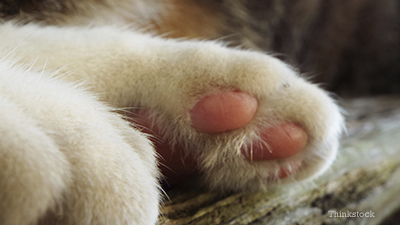
Cat paw pad problems. - The skin on the pads of his feet is peeling off. On one of the paws the entire pad is just a fluid-filled bubble. Here are some of the more common problems you may encounter with your pets paw pads.
The cats paw pad surface may become purplish or have white striations and it can crack or ulcerate. Signs that indicate the cat may have a problem with a pad include. A cat with a white paw pad might be suffering from anemia Infection or hypophosphatemia.
The first sign of pillow paw disease is swelling. But the pads will eventually develop a purplish cast as if theyre bruised. Generally all four feet are affected but occasionally a cat will have only one affected foot.
Cause of feline plasma cell pododermatitis. Your cats paw pad may seem just a little tender and puffy -- nothing serious you might think. - In all four paws the skin is BUBBLED UP with some kind of fluid underneath.
It is extremely easy to detect pat paw infection in cats as they tend to pay exaggerated attention to the infected pad. A cats foot or paw pad may become infected perhaps from stepping on something that caused a cut or as an injury when she mixed it up with another cat. Ingrown claws are possible where the nail grows into the paw pad often due to injury.
It was removed on the left paw and sent to be analyzed. Like humans pets can suffer all sorts of allergies. Generally speaking horny paws is used to describe keratin formations that protrude out of the paws and look like horns.
The issue affects one or up to several footpads and the new nails. However if the cats immune defenses are low it is likely they will develop one. Indoor cats may have their paws stuck under furniture or in a doorframe.
The unhealthy cat claw could be a symptom of a systemic disease or there is a problem with the nail itself. Symptoms of pat paw infection in cats. Typically a cat will appear to be lame on the affected paws.
Footpad injuries are often easy to detect because the cat is liable to limp or pay exaggerated attention to the damaged pad. Fever as human cats also suffer fever when they are infected. To treat this your vet will give you a prescription for steroids or other medications to decrease the immune response in your cat.
The color change in the skin of the paw pad is more noticeable in cats with light colored skin and fur. If your cat is dehydrated encourage her to drink water but in the case of severe dehydration you have to bring her to the vet. Excessive licking of the paws.
A cats paw pads may turn white because she is suffering from health issues such as anemia the presence of parasites and dehydration. Pets suffering from allergies will be itchy especially in the paws and typically will bite lick or chew on them to attempt to relieve the itching. Some of the more common signs of paw pad or foot problems include limping which can be subtle excessive licking of the affected foot bleeding hair loss on the foot or redness of the skin on the foot or between paw pads.
Affected pads are typically. Symptoms of a paw infection include. Common Cat Foot Problems.
Licking frequently and excessively. Cats that spend time outside tend to be the most prone to paw injuries. The poor kitty will start to favor the affected paw.
Anemia is a condition in which the hemoglobin count is not enough in the body. We know a cat has unhealthy claws if they show some combination of the following symptoms. It is thin layers in some areas and very thick like the entire pad with flesh exposed underneath in others.
Cats with feline plasma cell pododermatitis also often lick or chew at their feet. Theyll begin to feel mushy. Below are basic signs which indicate a cat may suffer pat paw infection.
Perhaps the most common cat paw condition is an injury of some type. The pads might then become painful and cause your cat to limp. In these cases the paw pads turn purplish with characteristic white scaly streaks which indicate hyperkeratosis increased keratin in the skin.
Pillow foot in cats can affect one or all four paws. The easiest way to determine whether your cat. Due to this the cat might seem to become lethargic weak and dehydrated.
Holding a paw up. Limping on a particular leg. In most cases the cat will be asymptomatic.
The most common types are cuts to the paw pad and paws that have been smashed in some way. If you ever have doubts about your cats swollen paw pad call your local veterinary and schedule an appointment with them. It can cause their paw pads to puff out and look pillow-y hence the name.
We discovered a rough crusty patch on the order of a wart or callus on the big pads of both front paws. Bleeding from the paw or leaving a trail of bloody paw prints.
We are lucky in the breed to have very few serious congenital problems. Stones are especially dangerous in males because a stone can easily block a males narrow urinary tract.

Breed Info Animal Health Center
Dalmatians are one breed that is affected by liver disease caused by excessive copper build-up.

Dalmatian health problems. Reputable breeders have their puppies BAER brainstem auditory evoked response. The second major health problem in Dalmatians is deafness inherited deafness not old-age deafness. Reputable breeders have their puppies BAER Brainstem Auditory Evoked Response tested to ensure the status of the hearing on their pups.
The main health issues which any Dalmatian ownerbreeder should be aware of are deafness urinary stones and epilepsy. Hearing Deafness in Dalmatians. In fact several experts have claimed them to be almost people like in nature as they absolutely love to be around people and families.
Dalmatian Bronzing SyndromeDal Crud sebaceous adenitis. The potential build up of uric acid crystals. Dalmatian Health Problems Urolithiasis.
According to the research on the percentage of puppies born deaf is about 10-13 that is pretty much higher than other dog breedsThe other main problem is kidney problem. The health issues reported in Dalmatians over the years are the following. The two most common health problems in Dalmatians are Deafness and Kidney problem.
Some dogs also exhibit allergy symptoms. The daily walk running after a ball or throwing a stick. It therefore can definitely not be.
The major health issue with the breed is the well known genetic predisposition to deafness - in fact estimates are that around 30 of Dalmatians have some sort of hearing impediment. Dalmatians have an unusual urinary system that is genetically prone to forming urinary stones. Dalmatian health problems.
The stones can cause urinary blockages most commonly in males. Dalmatian health issues should not keep you from owning this wonderful breed of dog as they are still extremely healthy dogs as well as very loyal and protective companions. Allergies Skin and Coat Disorders.
In very severe cases of HD there isnt even a ball anymore and the head will be completely separated from the pelvis and will only be somewhat kept in place by the tendons and ligaments. Urine naturally contains a variety of salts minerals and crystal-like structures that are excreted in the urine under normal conditions. While there is yet no proof of a genetic mutation related to copper excretion in Dalmatians this has been shown in other breeds of dogs and there is anecdotal evidence that it is genetic in Dalmatians as well.
Plenty of water and a good diet can help enormously but there are some health issues that are hereditary. This can be life-threatening. Dalmatians as with all breeds are susceptible to health problems some of a genetic nature others viral.
They make excellent guard dogs and terrific family pets. White dogs have more hearing problems that other color dogs. The biggest dalmatian health concern is bladder stones.
Other Dalmatian health problems include different eye issues and incorrectly developed eye muscles. Very serious health issues reported occasionally in dalmatians include copper toxicosis laryngeal paralysis megaesophagus polyneuropathy and lysosomal storage disease. A backcross project has successfully reduced congenital conditions in dalmatians says David Tomlinson but once again the purists are complaining.
Among the health problems in Dalmatians is a unique uric acid metabolism that predisposes them to stones anywhere in the urinary tract. For details of updates to Health Issues and Health Articles. Dalmatian health problems We have already covered one of the biggest health problems associated with Dalmatians.
Like other breeds Dalmatians display a propensity towards certain health problems specific to their breed such as deafness allergies and urinary stones. There is currently testing and screening. HD rarely occurs among Dalmatian dogs.
The stones can cause urinary blockages most commonly in males. Health Issues Commonly Seen in Dalmatians. Like other pure breeds of dogs dalmatians are genetically predisposed to certain health problems.
The following is a listing of some of the more common health problems that have been found in the Dalmatian breed. Thus male Dalmatians require lifelong monitoring of their diet and urination habits. Dalmatian Health Issues Basic Facts Appearance Temperament Playfulness Easy to Train Intelligence Watchdog Ability Barking Tendencies Lifespan Health Issues Symptoms Grooming Needs Shedding or Not Exercise Requirements Adaptability Apartment Friendly Children Friendly Stranger Friendly Cat Friendly Dog Friendly Puppy Price Litter Size Dalmatian Names.
Some health problems of dalmatians this dog breed is prone to disease due to their blood ties. Common health problems in Dalmatians. Specifically about 12 are deaf in both ears bilateral deafness while another 22 are deaf in one ear unilateral deafness.
Urolithiasis or urinary stones is a condition characterized by the buildup of minerals in the urine of dogs. About 33 of all Dalmatians 1 of every 3 are born deaf in one or both ears. The Dalmation suffers from a high incidence of Bladder stones which can be minimized with a healthy diet and plenty of water but keep your eye out for signs that your Dalmatian is suffering from stones.
These dogs have a high uric acid content in their urine which can be worsened with too much protein in the diet. Dalmatians are beautiful dogs who love to be active but unfortunately like many purebred dogs they are prone to certain health issues associated with their breed. British Dalmatian Club - Dalmatian Health.
There are many Dalmatian health issues associated with this dog breed including deafness more common in white dog breeds kidney stones and nervous system disorders including laryngeal paralysis. If well cared for a Dalmatian can live between 11 and 13 years of age. Dalmatians though classes as a utility dog are incredibly sporty and bred to run all day.
Among the health problems in dalmatians is a unique uric acid metabolism that predisposes them to stones anywhere in the urinary tract. Like other breeds Dalmatians display a propensity towards certain health problems specific to their breed such as deafness allergies and urinary stones. Arthritis hip dysplasia patellar luxation panosteitis exostosis bone spurs osteochondritis dissecans OCD Skin problems.
Let this steep overnight. Fleas are small and they are great jumpers.

Why Do Cats Pull Out Their Fur And How To Stop It All To Do With Cats
Excessive grooming is commonly referred to as psychogenic alopecia.
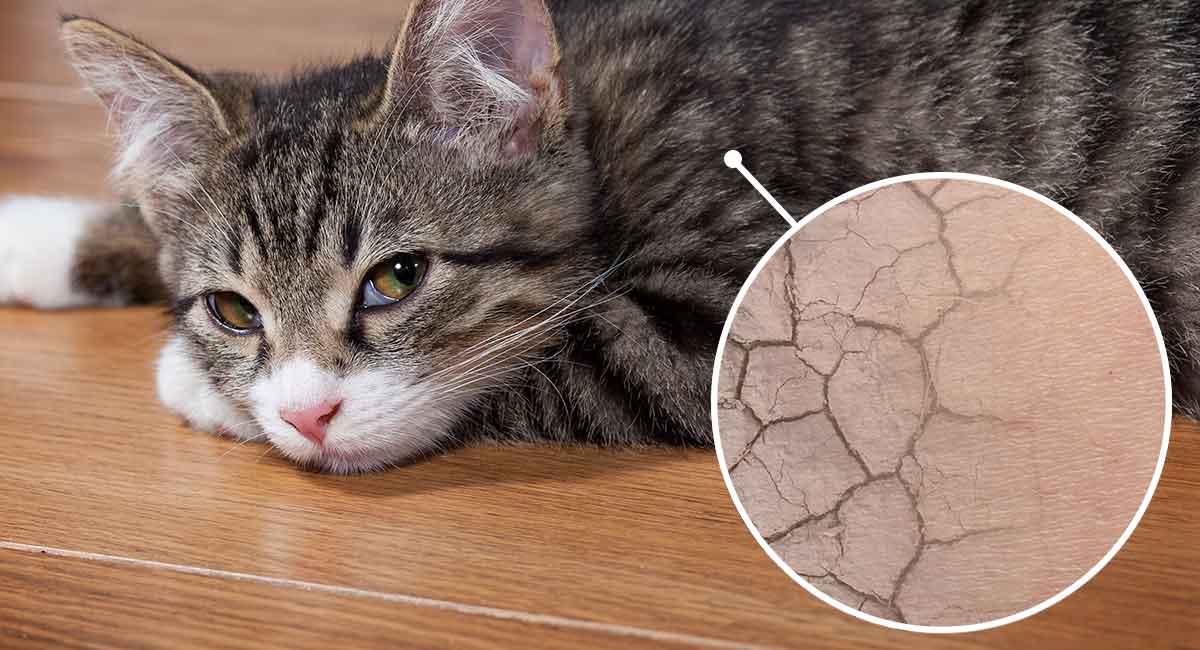
Cat skin problems causing them to pull out fur. 23 related questions found. It can occur anywhere on your cats body but is most common on a foreleg an inner thigh or the belly. These can include pain from arthritis or cuts and scratches.
Your cat could be experiencing an itchy or irritating feeling in his skin causing him to lick chew and yank out the hair in the area in a futile attempt to alleviate the maddening itch. While licking and biting at his skin temporarily soothes the itching it also inadvertently results in your cat pulling out his fur and your cat losing clumps of hair. If your cat is overgrooming youll see a line or stripe of very short stubble that looks like a buzz-cut.
This behavior is often associated with some new stressor in the cats life. Youve heard of the phrase tearing your hair out when under pressure and this can be very true for upset cats as sometimes a stressed cat will start to pull out their fur. Common areas to look for excessive grooming are in.
In some cases hair-pulling occurs due to medical factors such as allergies skin infections or parasite infestation. Underlying Medical Issues. Your cat could be experiencing an itchy or irritating feeling in his skin causing him to lick chew and yank out the hair in the area in a futile attempt to alleviate the maddening itch.
When the cat eats a food they are allergic to this triggers a mechanism that makes the. To address this issue you first need to identify whats causing them distress. They are small enough to squeeze in through the screen.
Cat Hair Loss Remedies. Where fleas are not the answer often a much more detailed and meticulous approach is needed to find the diagnosis. Hypersensitivitiesallergies are a common reason why cats overgroom and pull out their fur.
In two studies the average age when signs were first noticed was around the first year of the cats life and most cats with the condition were under 7 years old. Every day when I come home from work I see clumps of hair in the floor. A friend of mine had a similar problem with her young cat and it turned out to be.
She is about 17 years old. Cats will constantly lick wounded skin in an attempt to heal it. Some cats may chew at their skin when theyre stressed and pull out clumps of hair as a result.
Female cats are more likely than males to lick chew or pull on their fur. Your cat also may pull out his hair while trying to remove skin parasites and lick the area intensely to soothe the itchy skin. However if your cat stays indoors all day the most likely cause is a condition called miliary dermatitis This condition is generally caused by an allergic reaction and forms an.
Some cats will pull the hair out with their teeth and create skin wounds and ulcerations. An itchy cat may respond by scratching but in other cats itchiness can manifest as hair pulling and licking. While stress and allergies are the most common reasons your cat pulls out fur there are others as well.
Because there are a number of medical problems that may result in scratching and licking behaviors be sure to consult with your veterinarian to help determine the cause and the best course of action. In some cases hair-pulling occurs due to medical factors such as allergies skin infections or parasite infestation. Repeatedly lick pluck chew or bite on an area of skin Pull out tufts of fur Have patches of thin fur or bald areas Have areas of red or broken skin caused by biting - often on their belly or sides.
Your cats saliva contains a protease inhibitor that promotes skin healing. Another common cause of skin irritation which results in pulling out fur is a food allergy. If the behavior is severe the skin underneath the fur may become damaged appearing red or sore.
07th September 2018. We can also bring them in on our clothes without realizing it. It is on her back and tail.
Pinpointing the cause of the itch however can be a challenge. Cats lose or pull their fur out in chunks due to medical illnesses or disease allergies environmental insect or food-related skin parasites sudden changes to their environment or because they are a certain breed of cat. An effective flea repellent for cats suffering hair loss due to parasites is a citrus solution.
So what would cause a cat to pluck out her own coat. FHS is also more common among younger cats. Feline hyperesthesia syndrome can happen in any cat though it may be found more frequently in Abyssinian Burmese Persian and Siamese cats.
Just ONE flea can cause this. Fleas deposit saliva into the skin when they bite and allergic cats may show a severe reaction even from one bite. I have observed her a couple of times DIGGING with her teeth and pulling hair out.
More unusually but also possible cats can over-groom an area if it causes them pain such as a sore joint. Stress or painful cat skin. Fleas and mites are parasitic organisms that feed on your cats skin and cause him to bite them.
Flea allergy food allergy and atopy allergy to airborne substances are three common causes of allergy in cats. It looks like what one of my cats had when he had an allergic reaction to fleas. My vet told me they can easily jump in through a 2d floor screen.
Fleas remain the most common cause of skin disease in cats although this is not true in all countries in some regions fleas are rare and fleas are not the only cause of pruritus itchy skin in cats. Spray over the entire cat especially. Pet parents will notice their cat licking fur off their abdomens chest backs or legs.
The most common illnesses that cause this problem are hyperthyroidism alopecia cancer heart disease or diabetes. Overgrooming in cats is usually a sign of itch Dr. If you recently introduced a new pet your cat may need more reassurance from you in the form of more quality time and cuddling.
Cut a lemon in quarters and place the pieces in a pot of boiling water. Arthritic pain and pulling out fur.