This can be triggered by overfeeding or it can accompany younger bettas when their swim bladders are not yet completely formed. For 99 of koi poor water quality is the cause of swim bladder disease.

Betta With Swim Bladder My Aquarium Club
Swim bladder problem is when a betta has a disrupted swim bladder.
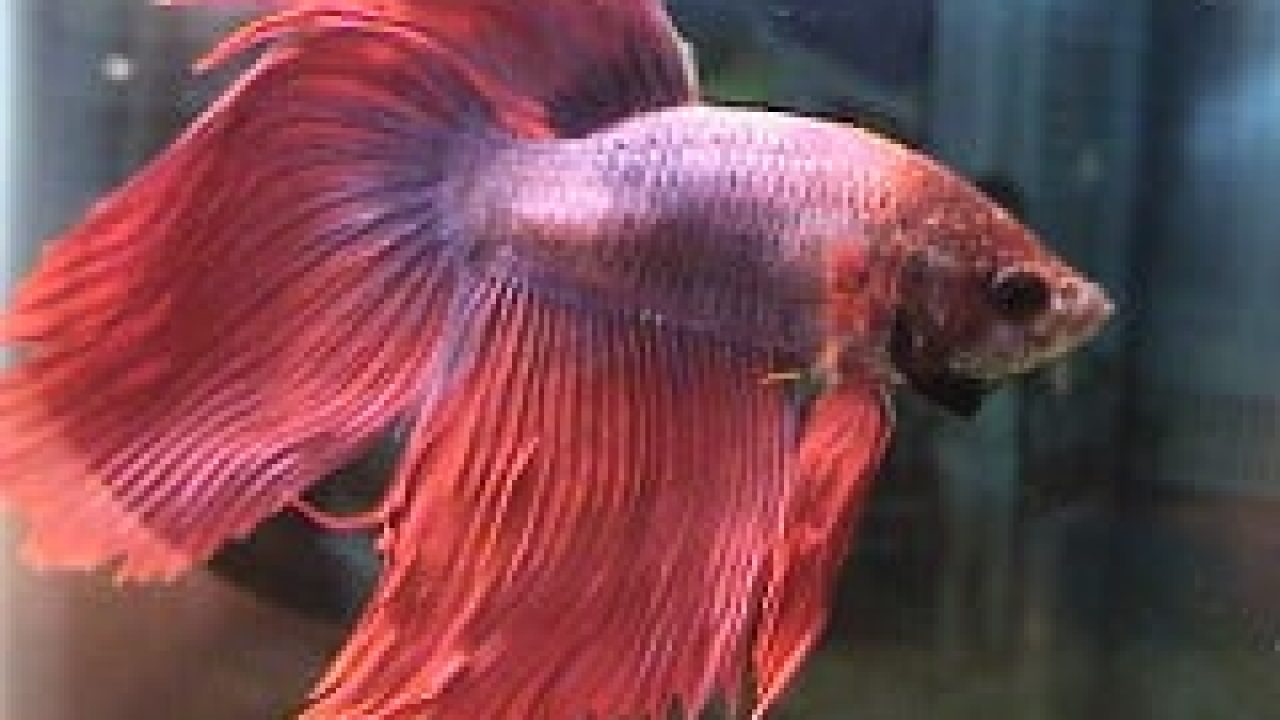
Betta swim bladders. Betta swim bladder disorder is your fishs inability to maintain itself in an upright position due to an enlarged swim bladder caused by constipation. This develops in the goldfish when they are just an embryo and it comes from an out pocket of the fishs digestive tract. This condition is typically seen in betta maintaining and it typically simply vanishes on its own.
This disorder is commonly seen in betta keeping and it. The Betta fishs swim bladder is a large organ located behind its intestines and extends until the tail. Most fish have two versions of the swim bladder.
Betta fish are able to breathe in oxygen at the waters surface. There are other possibilities but its best to rule out overfeeding first. Swim Bladder Disease SBD is a distressing condition that commonly affects bettas.
This organs function is to maintain the fishs buoyancy as it navigates various depths. This saves them energy because they are not consistently swimming to stay in one place or afloat. Swim bladder disorder refers to a collection of issues affecting the swim bladder rather than a single disease.
Types of Swim Bladders Disease Betta. Swim bladder - its an organ not an illness. The swim bladder is a gas-filled sac inside your fish.
Well almost all pet fish species have swim bladders so that fact is correct but it is not a disease. Swim bladder disorder is when a betta has a disrupted swim bladder. The condition is not a disease but rather a secondary symptom of other betta fish diseases or ailments.
Feeding the betta too much causes the stomach to become too large making it press against the swim bladder organ so the betta cannot manipulate it properly. Therefore it controls the position of the fish in the water. What Is Swim Bladder Disease In Betta Fish.
Instead of constantly swimming to stay in place the swim bladder does the work instead. Bony fish have a specialized organ known as the swim bladder. Sometimes it can be a symptom of a bacterial infection or a fin injury.
It is located behind all the other organs so if any of them swell it can affect your betta. Sometimes you see SBD usually thats just short for Swim Bladder Disease. Swim Bladder Disorder is actually hard to diagnose properly because any one of a Bettas internal organs can get infected and cause bloating.
Will swim bladder go away. To understand the issue you first need to know more about the swim bladder. Swim bladder disease is also known as Swim Bladder Disorder or Flip-over and most commonly affects betta fish and fancy goldfish.
It contains gas and is responsible for controlling the fishs buoyancy. Air can also get trapped in the stomach and intestines causing the fish to float. Its purpose is to control a fishs level of buoyancy allowing them to easily move up and down in the water staying afloat wherever they are.
However it does have the benefit of being fairly easy to treat. They have a channel that directly connects the bladders and the food system much like in humans. If your favorite betta fish isnt swimming the way he should there is a chance he is suffering from swim bladder disease.
Does swim bladder hurt fish. If you have a betta fish chances are its a Betta splendens since thats the most popular type of domesticated betta available around the world. The most common cause of betta swim bladder disorder is overfeeding.
The swim bladder is also known as the gas bladder or air bladder. This organ is very important to a betta fishs overall health. Swim bladder disease is a common problem in bettas but is easily treated.
Actually overfeeding is the most common cause of swim bladder disorder. All betta fish are bony and have an organ named a swim bladder. By inflating or deflating the swim bladder they move up and down through the water column.
The swim bladder is an organ that allows your betta fish to control its buoyancy. A lot of problems may also come with it such as betta fish swim bladder disease and dysfunction. Swim bladder disorder is when a betta has a disrupted swim bladder.
This disorder is commonly seen in betta keeping and it usually just goes away by itself. The swim bladder is located behind all the other organs. Yes swim bladder disorder can also be.
Its a vitally important specialized organ that most fish possess. Our very old sick Fighting Fish by JohnstonDJ is licensed CC BY-SA 20. Depending on the cause swim bladder disorders may be temporary or permanent.
This is a fairly common disease among bettas. Swim bladder disease is most common in goldfish and koi with a high percentage in fancy varieties of goldfish. What Is The Swim Bladder.
It helps the fish rise and lower in the water much like a buoyancy control device a diver might use. One often sees the term swim bladder used to describe any type of problem a fish may have when swimming. The swim bladder holds oxygen so the betta fish can stay buoyant which really means to be able to float or maintain a desired position in the water.
Your bettas swim bladder is the organ which allows him to control his buoyancy. Overeating increases their risk of swim bladder disorder. Helping your betta save energy and swim easier.
Betta along with most other bony fish have a gas-filled organ inside them called a swim bladder. Some fish are of the so-called open-bubble type ie. Fish can be conditionally divided into two types in which the work with filling the swim bladders with gas is structured differently.
Betta identifies the genus and splendens is the species in the same way that your pet dog can be identified by the genus and species Canis familiaris. Betta fish are highly sensitive to overfeeding. Although commonly seen in goldfish and bettas it can strike virtually any species of fish.
In the simplest terms swim bladder disorder is when a disruption occurs within the swim bladder of your betta. Betta splendens have a long and complicated history. This can be caused by overfeeding or it can occur with younger bettas when their swim bladders are not yet fully formed.
Bettas rely on their swim bladders to maintain their position in the tank. But the Swim Bladder itself is not a disease.