This is when your new bunnies start exploring the world outside their nest box and will be running around the cage. A juvenile cottontail is at least four weeks of age about the size of a tennis ball and no longer requires the nurturing of its mother or the protection of the nest.
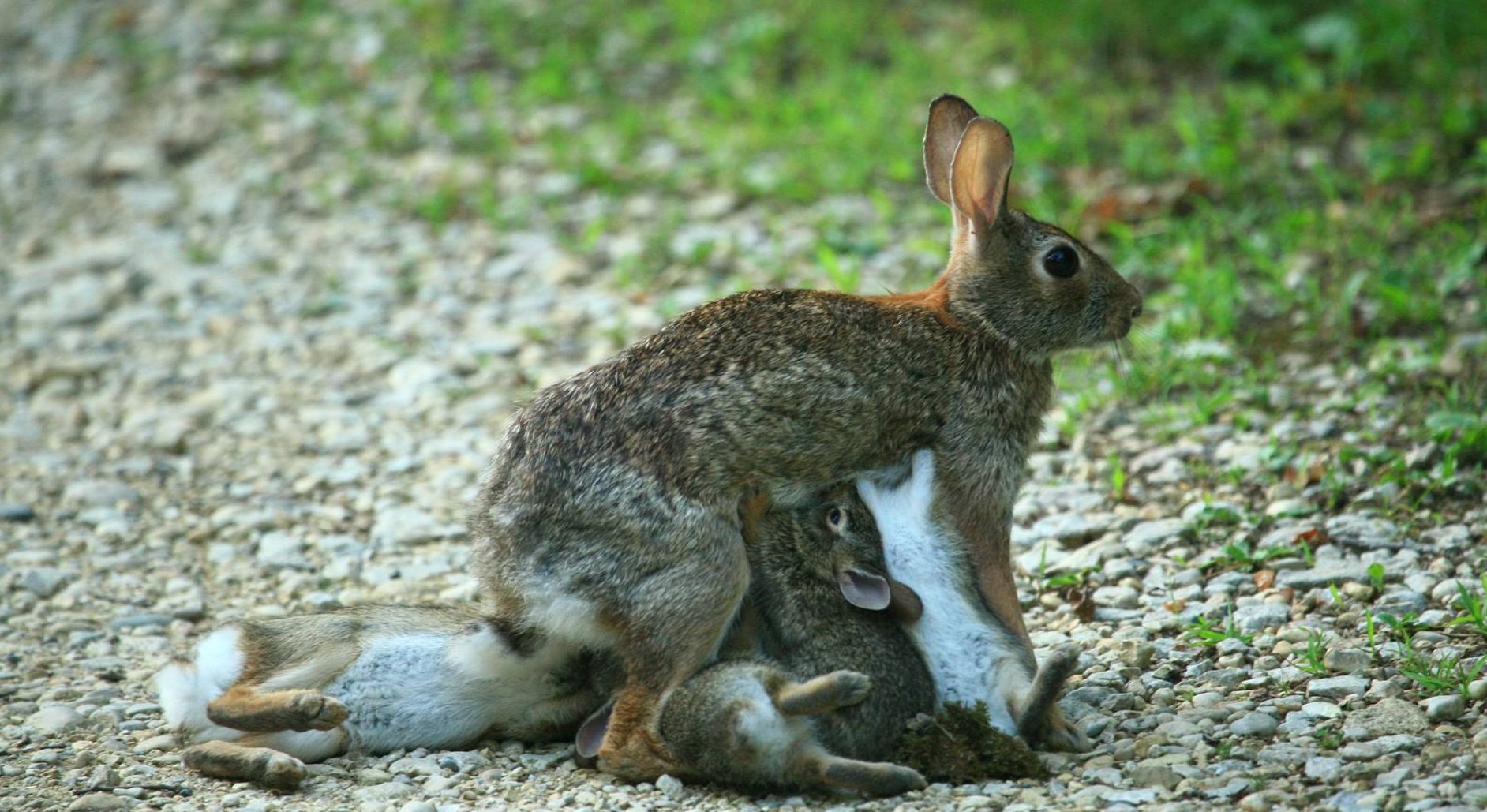
Breeding Like Rabbits What Does That Mean Anyway Forest Preserve District Of Will County
A cottontail baby bunny age chart describing the baby rabbits appearance and behavior can help you determine the age of a baby rabbit.

Baby cottontail rabbit age. This is a sign of their age. Their mom only tends to. When they are fully grown cottontail rabbits are about 12 to 20 inches long.
By about four to five weeks of age even though they still look quite small young rabbits are independent and ready to be on their own. During the winter much of the foliage they snack on during the warmer months is either gone or covered in. A babys ears are closed between 1 and 7 days old.
This behavior tends to develop as the rabbit ages. Newborn Eastern Cottontail Rabbit Newborns. Baby rabbits leave the nest at approximately 3-4 weeks of age sometimes older.
How can you tell how old a baby cottontail is. Rabbits ears start to open around day 7 but arent fully open until they are 10 days old. Behavior Neutering modifies behavior.
Despite their small stature they are ready to be independent and go out on their own. Use general age categories to categorize the rabbit. If anyone wanders out before this time always put them.
For all the reasons above it is more difficult to place a rabbit who has not been altered for boarding. Newborn rabbits are also born without fur which will not start to grow until week 2-3. The eyes are now open and the legs are away from the mouth and are beginning to.
Their ears also start coming away from their small bodies. Firstly if the eyes are open the rabbit is at least 10 days old. Young rabbits disperse from the nest at 15-20 days old.
Cottontails can reproduce by one year of age and a reproductively mature doe can have up to five litters of three to eight young in. Baby Rabbit Growth Time Lapse Photos. In captivity though a cottontail rabbit can live up to eight years.
3 weeks old 1-15 lbs. Check the baby cottontail rabbits ears. Baby rabbits are also deaf and blind until the age of 3 weeks.
When to rescue baby rabbits. What do cottontail rabbits do in winter. 10-12 DAYS OLD The Cute Phase.
Here are the weekly photos of Champagne D Argent x Palomino kits from birth to 8 weeks of age including weights from 3 weeks on. They reproduce quickly and grow to almost full maturity in a short six weeks. The average lifespan of these adult rabbits is about 15 months.
Bonding if you decide to get a second rabbit as friend it is strongly recommended that both have been altered for at 30 days before introducing them. An elderly rabbit is 4 - 5 years upwards. Because cottontail mothers have been known to put their nests in some particularly strange places you may one day find a litter that has been left to fend for themselves from too young.
There are a couple of ways that you can tell how old a baby cottontail rabbit is. At this age rabbits are about the size of a softball. If you find a baby rabbit.
Only a quarter of them lives up to the age of two years. Click here for a sharable photo of this age chart. They typically weigh 40-50 grams at this age.
When they are 3 -4 weeks old it is best to have two houses one at each end of the cage as babies can start becoming territorial at a very early age and the more submissive littermates may find themselves chased out of the cardboard house. Newborn rabbits weigh 1-15 Ounces at 2-3 weeks baby rabbits will still only weigh 3-5 ounces. They start to venture.
The nest is nearby and the baby will be able to find it. Secondly if the cottontail rabbit is independent of the nest it is at least 3 weeks old. 5 weeks old 25 lbs.
Once they are about five days old they have a length of about 3 in 762 cm. Outline of baby rabbits growth phases. Baby Cottontail rabbits are born in shallow nests in the ground that are lightly covered with hair and dried grasses.
If the rabbit is as big as a tennis ball or fully fills your hand then it is able to survive in the wild. Rabbits have the best chance of survival when they are cared for by their mothers. This will give you a good way of starting your assessment.
6 weeks old 3 lbs. Despite this age cottontails will still not survive without the mothers milk. Birth 8 weeks.
Do not touch the rabbit and keep pets and children away. They still have no fur on their bellies. In order to reunite a healthy kit first you must locate the nest.
If it fits within your hand or is obviously small or injured then it needs to be re-nested or taken to a wildlife rehabilitator as soon as possibleAt 3-4 weeks of age their instincts to survive in the wild are. An adult rabbit is approximately 9 months to 4 - 5 years of age. The nest could be anywhere.
At 5-6 days old. The ears become erect between the age of 9 and 13 days. Adult wild cottontail rabbits Wild rabbits are considered adults at 6 weeks of age although they are not sexually mature and are not able to reproduce until 8 weeks.
In this photo a 7 day old cottontail is compared to a 5cc syringe. A young rabbit is up to 9 months of age. Your kits baby rabbits will start to open their eyes and will be turning into little balls of fur.
They may not reach their full size until they are 10 to 12 weeks old. Different from domestic breeds Cottontail rabbits are the ones you are most likely to find in the wild. 4 weeks old 15-175 lbs.
12-18 DAYS OLD Start Exploring. You can usually tell that a baby rabbit is younger than this if she is smaller. When a baby rabbit is 3 weeks old she will leave her nest and venture out into the world.
Cottontail mothers generally make their nest in a shallow depression in the ground. Cottontail rabbits have a very short lifespan. Baby Emergency Care Instructions.
By three weeks of age they are on their own in the wild though are still very small -- theyre only about the size of a softball. The average life span of an eastern cottontail in the wild is usually less than three years. How to tell the age of a baby cottontail rabbit.
By 2-3 days old the babies are starting to get noticeable fur and their ears are no longer sealed but are still held back against the head.
A network of burrows is called is warren which can be up to 10 feet deep and have numerous sleeping and nesting areas as well as multiple exit holes. With that said a rabbits ear positions can vary depending on the breed.
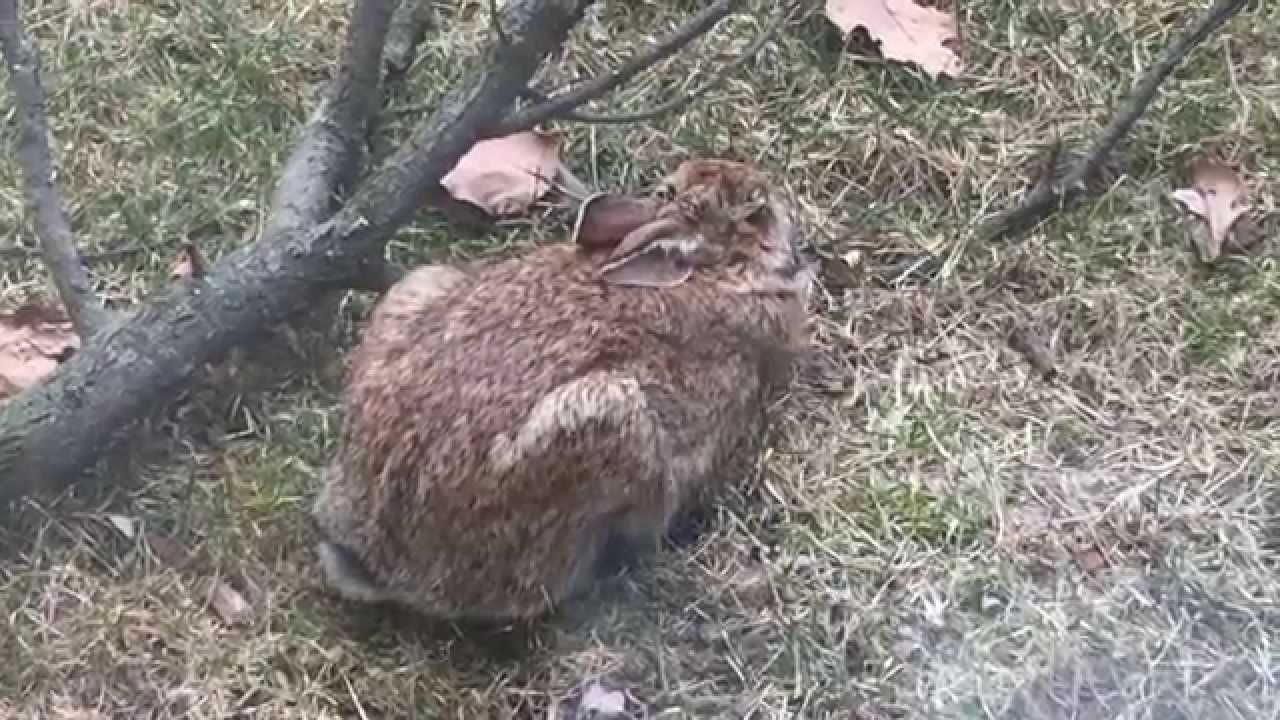
Cottontail Rabbit Sleeping Outside 4 2 2015 Youtube
But dont worry if your rabbit seems to prefer sleeping in a loaf instead of sprawling or flopping.

Cottontail rabbit sleeping. Explore further detail here. She had light brown fur a bright white tail that did in fact look like a puff of cotton and a red stripe down her. Its either asleep or resting in one corner.
What time and how do rabbits sleep. However cold weather often prompts daytime activity. The open layout features one large room with two queen foldout sofa sleepers.
Cottontails confronted with danger either freeze in place to take advantage of their cryptic coloration or dart away in a rapid zigzag manner. Cottontails can establish relationships with domesticated rabbits touch noses as a greeting rest in their proximity play and chase them groom and be groomed and learn domesticated rabbit behaviors. While a rabbit such as the Eastern cottontail still sleeps during the day foraging at dawn and dusk hes more active at night in the summer when food is more readily available.
These solitary animals are largely crepuscular animals that are active primarily during twilight - the periods before dawn and after dusk and nocturnal. Lop-eared rabbits have heavier ears and therefore subtler ways of showing emotion. Hay is a good choice.
During the day rabbits spend long hours sitting in one spot sleeping grooming. Many rabbits are just more comfortable this way. They also need a quiet environment for them to feel at ease.
The Rabbit Den Cabin has been used as a sleeping area living area gathering room wedding reception dance and private get. A sick animal is still resting. They are not in a ready-to-run stance but its also an easy position for a rabbit to dash out of and make a run for it if they get scared.
Good from a rabbits perspective. Keep all pets and children away from the cottontail nest. Semi-opened eyes help them to respond to threats quickly.
At a minimum your mountain cottontail is going to require 12 square feet of space for a single specimen. The eastern cottontail is a very territorial animal. There are a few varieties of cottontail rabbits in the U.
Within that space youll need to provide a separate area for sleeping thats covered in soft bedding of some type. She thought she found a. Its better if you can provide more space though and it will result in a healthier pet.
When chased it runs in a zigzag pattern running up to 18 mph 29 kmh. The disease was first identified in Wyoming in December 2020 and has the potential to impact wild populations of rabbits and hares. The Rabbit Den Cabin is approximately 800 square feet.
Very Rare Hagen Renaker Sleeping Beauty Type Rabbit This rabbit is the same design as the Sleeping Beauty rabbit but it isnt a Disney piece. Camille the dog and the cottontail rabbit each stayed frozen. Each rabbit is personally handmade with a delicate touch.
Rabbit sleeps for approximately 8 to twelve hours a day. This is how they keep themselves alert to any kind of danger that may be hiding. The major sleeping habit of cottontail rabbits is that they can still get a nap with their eyes open.
It has a separate bedroom with a queen bed a living room with a fold out couch queen a dining room and a snack bar in between the living room and the kitchen. Ears that are held back mean an angry rabbit. This fuzzy little critteronly about 2 pounds full grownis the common rabbit frequently seen throughout neighborhoods and parks in Estes Valley.
The sleeping patterns of wild rabbits differs somewhat from their domestic cousins especially in the summer months. A sliding curtain can be used to isolate the foldout couches for a private sleeping area. The cottontail prefers an area where it can hide quickly but be out in the open.
Forests swamps thickets bushes or open areas where shelter is close by are optimal habitation sites for this species. Handmade wild sleeping rabbits. With the exception of hares and cottontails who live mainly above ground wild rabbits sleep together in burrows.
There are two doors that exit the cabin onto the deck one from the bedroom and the other from the living room. They use this mechanism to be aware of predators. She was a small Eastern Cottontail rabbit.
Hagen Renaker DW Baby Rabbit Facing Right. This is a neutral position for a rabbit. If your rabbits ears are flattened this means that its scared.
Youll also notice that the rabbit does not hop around too much. Please select the choice of colour using one of the options. These are made from wool using the art of needle felting and can be created in a selection of colours.
Stanford snapped photos of the staredown then slowly coaxed his pup away. Hagen Renaker DW Cottontail Flopsy and Mopsy. During the day the cottontail stays safely hidden from predators in thickets brush piles or in hollow logs.
If dogs must go outside unleashed in the area in which a cottontail nest is present depending on the breed of dog a simple remedy is to turn a laundry basket upside down over the. Sometimes they sleep with their eyes open. Mexican Cottontail rabbits require time to be comfortable especially if the environment is new to them.
How many hours does a rabbit sleep. The Cottontail Cabin is approximately 700 square feet. Hagen Renaker DW Baby Rabbit Facing Left.
Rabbits are in deep sleep at noon and in the middle night. This weeks featured animal is the mountain cottontail. Running speeds of the eastern cottontail can reach eighteen miles per hour.
Illness can also impact the way your rabbit moves its ears. Eastern Appalachian desert mountain and New England. When feeding the mother rabbit will straddle the nest and the babies will eat 5-7 of their body weight.
Not all will do all of these things but they can socialize with and trust domesticated rabbits. Youll notice that it would rather sleep than eat or run around.
The babies will develop the same color after a few weeks of life. Young begin to move out of the nest for short trips by 12 to 16 days and are completely weaned and independent by four to five weeks.
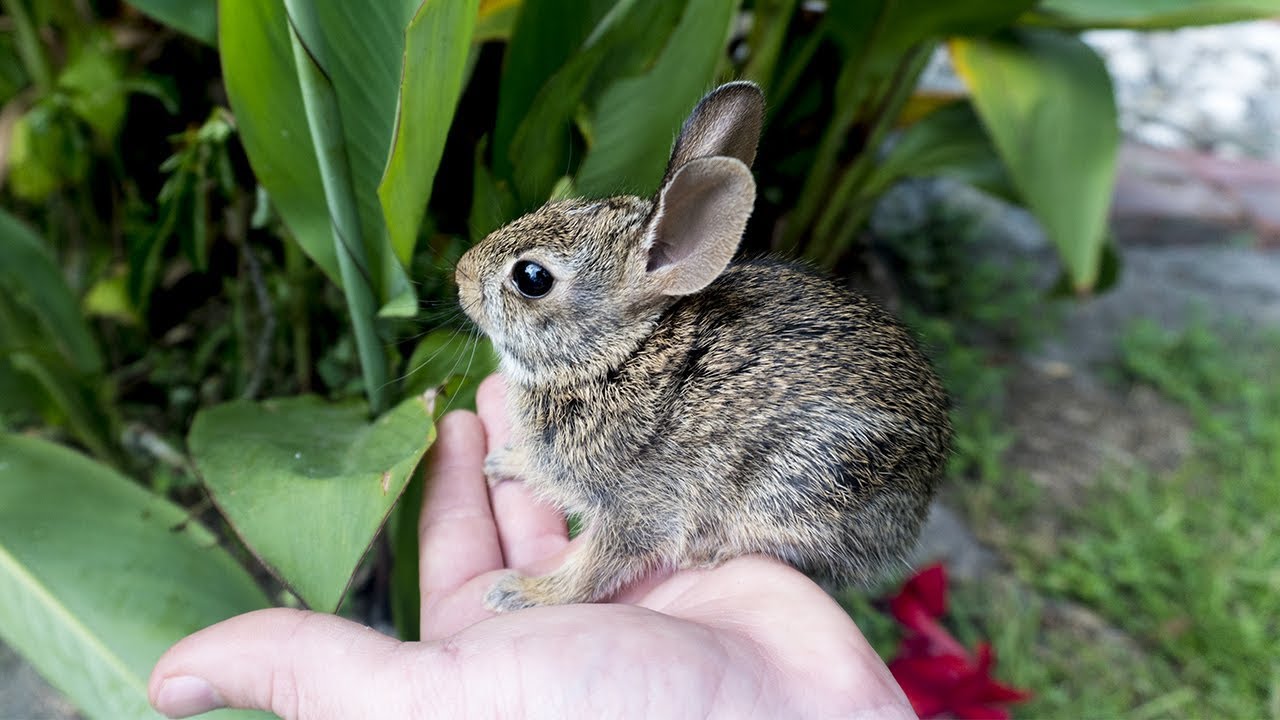
Caring For A Baby Cottontail Rabbit Thumper Youtube
The female will begin mating again a few hours after giving birth and can give birth to three to six litters per year.
Baby eastern cottontail rabbit. It is one of three species of rabbits native to North Carolina. My cat Cherry caught a baby Eastern Cottontail Rabbit which was unharmed a. The other two species are the marsh rabbit and the Appalachian cottontail rabbit.
They can defecate poop on their own. Mountain cottontail size. They start to venture.
The kits will also have a white blaze that is found on their forehead but this mark will soon disappear as the bunny becomes mature. A mother rabbit or doe will never abandon her babies. My dad let me take two home.
Do not touch the rabbit and keep pets and children away. They cannot pee on their own. The eastern cottontail is well-adapted to live in close proximity to humans and suburban yards can.
If a baby rabbit is removed from a nest by a person or pet immediately return the cottontail to the nest. Yes you can buy baby eastern cottontail rabbits from a dealer or a supplier but make sure that these. I kept them in my shed and fed them kittens milk.
Even with their sniffing skills and impressive speed. Hold the baby firmly as it will struggle but be careful not to squeeze too hard or it will damage their internal organs. A juvenile cottontail is at least four weeks of age about the size of a tennis ball and no longer requires the nurturing of its mother or the protection of the nest.
Leave your lawn a little bit higher and welcome a variety of weeds to create a more natural habitat. The eastern cottontail rabbit is a herbivore which means it will eat plants fruits and vegetables when these are offered. The Eastern cottontail is the most common rabbit species in North America.
Theres nothing better than the care of a mother. Baby Emergency Care Instructions. I found them at my family reunion in a little playground area.
Look for a shallow depression lined with grass and fur. The eastern cottontail is the most well-known and most widely distributed rabbit in North Carolina. Wear gloves and handle the animal as little as possible to avoid transferring odor to it.
Only her death or the creation of an environment where she cannot get to her babies will deter her from returning. A cottontail baby bunny age chart describing the baby rabbits appearance and behavior can help you determine the age of a baby rabbit. If the rabbit has been handled rub a large handful of grass between your hands until its juicy and then wipe your hands on the rabbits head back and tail back before placing it back in the nest.
Eastern cottontail rabbits feed on many plants including clover sprouts grasses sedges vines and shrubs. See more ideas about rabbit animals cute animals. Litters can be as small as two or as large as eight but four is the average.
Baby rabbits have no fur and cannot see but they will quickly grow and leave the nest in two weeks. Do not use pesticides. A baby rabbit needs rescuing if.
The eastern cottontail can weigh from 18 to 44 pounds and has an average weight of 26 pounds. In the wild these will eat almost any food available including plant twigs barks fruits seeds and leaves. There is a rusty patch on the tail.
Provide a shallow water source. A crow or cat was involved. It is chunky red-brown or gray-brown in appearance with large hind feet long ears and a short fluffy white tail.
An Eastern Cottontail Rabbit that is about four inches long round and fluffy eyes open and ears erect 100g or about the size of a small apple is ready to be away from its mother and should be left alone or moved to a safer location with ground cover for hiding. Eastern cottontail young are born with a very fine coat of hair and are blind. Theres a long story about these guys.
Its underside fur is white. It gets its water from the plants it eats. Two of them survived.
Location of their nest was unknown and was invaded by the local farm dogIm pretty sure these a. Most of the time when you find a baby bunny it is OK. This is the thirteenth video in my nature series Look What the Cat Dragged In.
Eastern cottontail rabbit baby Sylvilagus floridanus. The nest is nearby and the baby will be able to find it. An adult mountain cottontail rabbit weighs lying between 07.
Rabbits ears start to open around day 7 but arent fully open until they are 10 days old. Kids had already touch them and sprinkled pine needles on them. Eastern cottontail rabbit babies are called kits.
In Wisconsin kits may be born anytime from the beginning of March through October. Start by looking for its nest. This rabbit does not have a giant size but when we see other rabbits of the same genus we notice that this rabbit is more massive than most of its cousins.
To help them urinate hold them in your weaker hand hold in left hand if you are right handed Hold the baby head up with the tummy facing outward. Found a litter of wild baby rabbits. Mother rabbits can have three to eight kits in a litter and have three to four litters a year.
Its appearance differs from that of a hare in that it has a brownish-gray coloring around. An eastern cottontail rabbit can twitch its nose between 20 to 120 times a minute. Their eyes begin to open by four to seven days.
Oct 10 2021 - Explore Fae Eastons board Eastern Cottontail Rabbits on Pinterest. Are Eastern Cottontail Rabbits Suitable For You. To avoid attracting attention to her kits the mother cottontail is only at the nest long enough to nurse at.
Although cottontails are socialized and live in groups this rabbit is a bit solitary. 28 rows Cottontail rabbits are the leporid species in the genus Sylvilagus found in the.
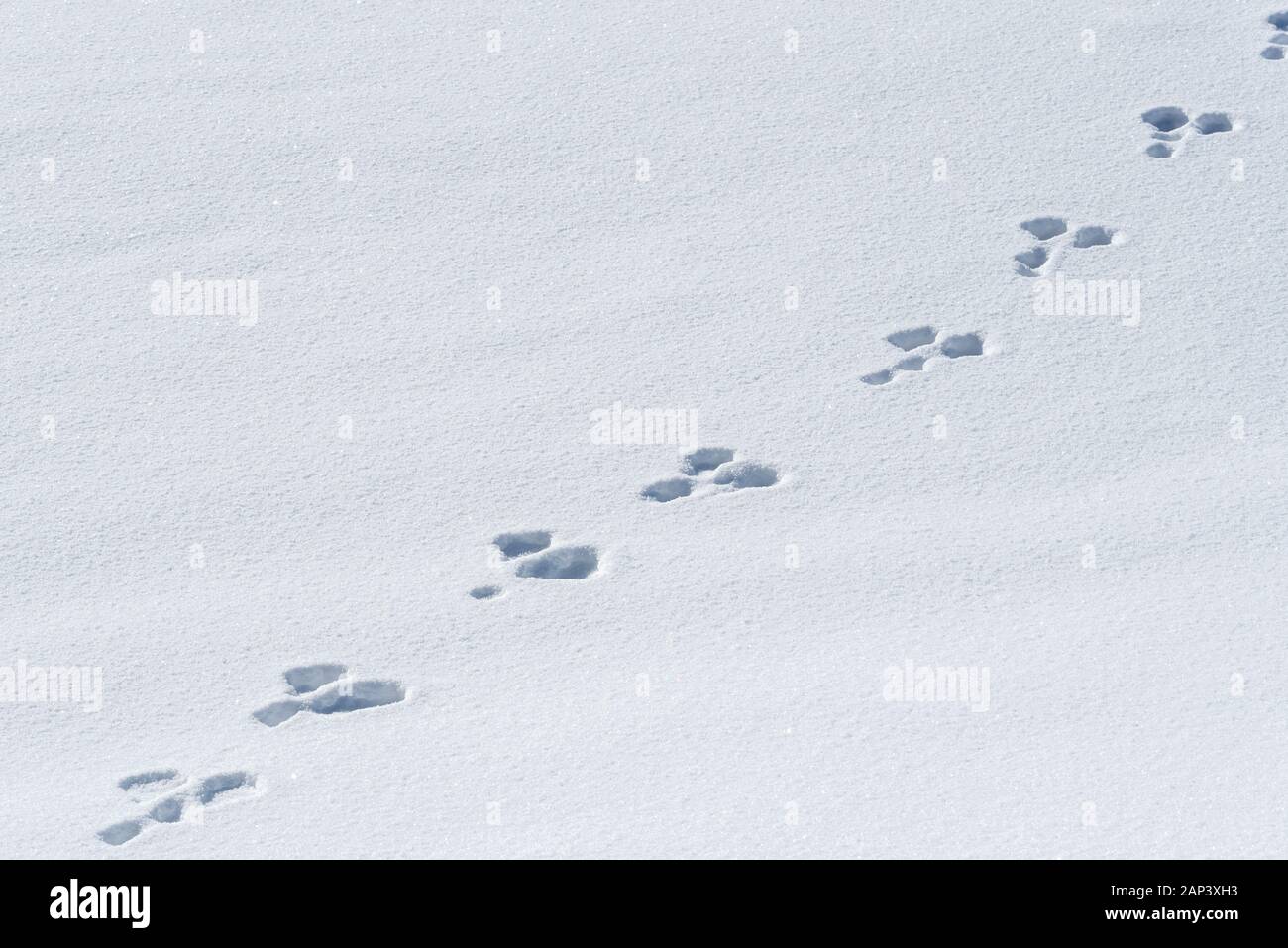
Rabbit Tracks In Snow High Resolution Stock Photography And Images Alamy
In hares the rear tracks are typically larger than the front tracks see the photo on the right.

Cottontail rabbit tracks. Image courtesy Centers for Disease Control CDC. The front feet are usually slightly to one side behind the back feet in the track. Deer browse on the other hand is ripped off not cut at this angle.
Rabbit tracks are pretty easy to. See cottontail rabbit stock video clips. Look for 3 12 x 1 34 inch-long hind foot tracks that show in front of the smaller round 1 x 1 inch front foot tracks.
Cottontail rabbits and GPS tracking devices were never meant to work in conjunction with each other and rabbit behavior presents some distinct difficulty when it comes to GPS and battery life. Mountain Cottontail Rabbit track in the snow out on the Promontory Peninsula of the Great Salt LakeUtah. Note that the back paws land in front of the front paws.
Cottontail Rabbit Tracks Near Plug Hat. Pings are signs of cottontail rabbits. Telemetry Solutions has overcome this obstacle with the introduction of our Smart GPS option.
Try these curated collections. Ideally this track will be walled or fenced in preventing predators from getting to your rabbit and stopping your rabbit from escaping. Rabbits and Hares are not rodents however their front teeth are arranged in a similar manner.
Cottontail tracks will usually be found in brushy areas the thicker the brush the better the habitat for Cottontails. Cottontail rabbit tracks in the snow Jemez Mountains New Mexico USA Coyote and cottontail rabbit tracks in the snow discovered during a plague and tick fever study Estes Park Colorado 1975. Desert cottontail rabbit desert rabbit rabbit desert elk footprints rabbit squirrel tracks desert cottontail elk tracks eastern cottontail rabbit footprint mouse.
The rear tracks of an adult cottontail are 275 to 4 inches long and 125 to slightly more than 15 inches wide. Their feet are much narrower than a Snowshoes but the gait pattern and track pattern are identical. The trail width of a Cottontail is approximately 3 to 4 inches wide.
This set of tracks on the right are of a Cottontail Rabbit. This royalty-free cartoon styled clip art picture is available as a fine art print and poster. A run is a trail used frequently by a particular species of animal.
Clipart of Black and White Cottontail Rabbit Tracks in Snow - Royalty Free Vector Illustration by Picsburg. A nice set of tracks of a rabbit traveling away from the camera. COTTONTAIL RABBIT TRACKS.
Cottontail rabbit tracks in the snow. During snow cover cottontail rabbit tracks are easily identified Figure 1 page 2. Eastern Cottontail scat is round.
Eastern Cottontail Rabbit TRACKS TRAILS Photo by Alexis Burnett Eastern Cottontail run. Rabbits practice Coprophagy which is the reingestion of partially digested scat. Cottontails make rounded tracks with their front feet and oval tracks with their hind feet.
Rabbits move by placing their smaller front feet on the ground first then swing their large back feet forward in front of their front feet to complete the stride so the front feet usually present behind the back feet in track patterns. The tracks in this photo are leading upwards. The prints of their hind feet are about two-and-a-half times as long as the prints of the front feet.
Heres some eastern cottontail rabbit tracks. This rabbit track can be attached to your rabbits enclosure for ease of use or it can be a separate area you take your rabbit to for exercise. Rabbits can be excluded from small areas of veg-etable and flower gardens nurseries and ornamental plants by encircling.
9883 cottontail rabbit stock photos vectors and illustrations are available royalty-free. If the rabbit is hopping the rear tracks actually print in front of the front tracks. Exclusion Rabbitproof fences are a practical and inexpensive way to protect valuable plants.
In cottontails and other rabbits the size of the fronts and hinds is quite similar see the photo below. Find this Pin and more on Birthdays by Heather Crowl. The front tracks are smaller than the rear tracks.
Photo by Alexis Burnett Typical Cottontail tracks. It is fun to track rabbits in snow or muddy places. During the day they almost remain hidden inside their burrows.
You can often tell the difference between hare and cottontail tracks by looking at the size relationship between front and hind tracks. Being a cottontail rabbit it can carry a deadly disease known as rabbit fever. Winter snow texture abstract landscape background featuring rabbit tracks crossing tire tracks in the snow Mountain or Nuttalls Cottontail rabbit tracks.
Royalty free clipart illustration of black and white cottontail rabbit tracks in snow. Rabbits have five toes on the front feet and four toes on the hind feet. Rabbits chew at a 45-degree angle like rodents.
The feet are usually about 6 inches apart and leaps between sets of tracks are few feet apart. During the winter it looks adorable and chubby in the snowy areas.