Look behind televisions computers desks next to a heat vent under and behind refrigerators and ovens. These both put off a lot of heat fridge puts it off continuously these are common places to find escapees -Justin.

How To Find A Lost Snake Reptifiles
Common hiding places are anywhere dark or warm.
Common places to find an escaped snake. I once had decor shaped like a tree branch and it was hollow inside. It is native to parts of sub-Saharan Africa. Adder and common lizard are common here as well as palmate newts on small pools along the burn.
Where in the United States can you find. As difficult as it may be snakes can generally be found in the house after an escape from their enclosure. Snakes are great at hiding and can find some very inconspicuous places to squeeze in.
Snakes also love metal roofing debris because they can thermoregulate in that environment. Next look behind under and. By 2007 the Burmese python was found in northern Florida and in the coastal areas of the Florida Panhandle.
Look under home fixtures. That type of snake is illegal without a licence so it is likely an escaped or dumped pet he said. Snakes are most often found in basements or crawl space areas but they have been known to make their way into living areas as well.
For example most venomous snakes have triangular heads or arrowhead faces. Search every room in the house. Dont forget to look underneath everything.
The most common places youll find them is hidden behind things or wound up in the works of things like your couch. With over 3000 species of snakes on the planet there are about 600 venomous species scattered around the world. Do not underestimate how far your ball python will travel.
Common places to find snakes. First formally described by Albert Günther in 1864 it is the second-longest venomous snake after the king cobra. Copperhead pictured Adult copperheads can grow up to 36 inches long and theyre characterized by their orange and brown pattern.
You can search the following areas for snakes. Basically anywhere that can provide security darkness and heat. Drag a prekilled rodent a gerbil would be best along the base boards of the rooms that you think your snake might be in.
Bit of a random question but has anyone ever encountered a snake in Sheffields parks or woodlands. Look under and behind everything book cases books shelving walls doors appliances couches under cushionsmattressespillowsblankets snakes like gaps crevices and dark places. As snakes are not capable of digging holes it is common for rattlesnakes to make dens out of vacant rodent burrows.
A 2012 report stated in areas where the snakes are well established foxes and rabbits have disappeared. So its safe to say snakes are movers and shakers right now and perhaps closer than you think. Mature specimens generally exceed 2 m and commonly grow to 3 m.
Your ball python will want to go somewhere dark and warm so check under furniture inside your sofa under the refrigerator and behind bookcases. They do this to hide from their main predators. Types of Venomous Snakes in San Antonio.
The Amazon Rainforest is home to some amazing animals that cannot be found anywhere else. Check behindunder the water heater or anywhere else where it might be warm and dark. In most of the United States most commonly encountered snakes that are found around human habitation are non-poisonous but in the South West and parts of the East it is not uncommon to find poisonous snakes around buildings in somewhat sheltered areas flower gardens porch overhangs garages and carportsIn one instance a homeowner living on a.
You may want to put a heat pad under the box. The black mamba is a species of highly venomous snake belonging to the family Elapidae. An unattended or neglected garden can result in snakes settling in.
Ford Moss is a lowland raised peat bog set between farmland to the north and a sandstone ridge to the south. Snakes typically seek out locations on high hillsides with plenty of sun exposure. It may be nowhere you think it could be but it is there somewhere assuming you dont have holes in your walls and great gaps between the bottom of doors leading to the outside and into the subfloor.
They also have heat-sensing pits. Check the undersides and backs of appliances for holes that your lost hamster could have climbed into. The raised mire is set in a.
Hiding beneath overgrown shrubbery. Then place the rodent into a cardboard box that youve cut an access hole into and place the box in a corner. The site also includes heather moorland rough grassland and acid grassland with pockets of valley fen and a few calcareous habitats.
Look inside any backpacks purses other bags and shoes. Ive heard of people coming across adders and grass snakes in both the Peaks and around Dronfield and Eckington so I guess it would make sense for them to venture down into the quieter areas of the city. Also if it gets out always check aroundunder your dishwasher and fridge first.
According to Rainforest Cruises there are over 3000 species of spider found in the Amazon alone all of them spectacular in their own rightThe Tarantula is one of the most common species found throughout the world however Rainforest Cruises says the. Whether the tree was planted or it was a natural occurrence it still attracts snakes. If you cannot find your snake within a few hours youll want to set up a trap.
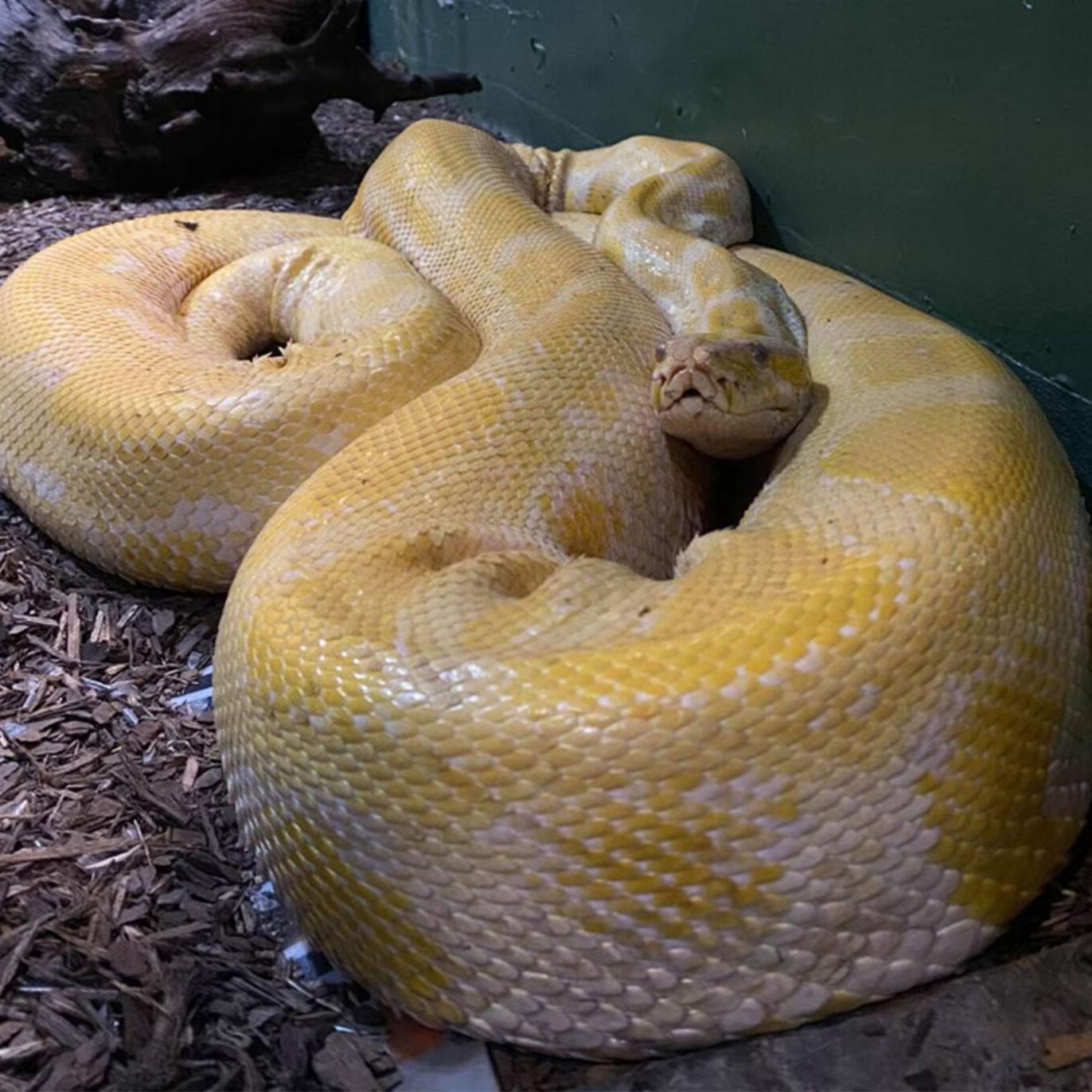
The importation of Burmese pythons was banned in the United States in January 2012 by the US. Department of the Interior. Under and behind appliances.
Greenbelts are very common places to find snakes. Trees are also common places to find snakes in your backyard. You may also want to set a scent trap which may or may not work.
Near door or window frames. Springtime we have more snake activity than any other time of year. Rattlesnakes can spend the winter under logs and piles of wood or rock as well.
The most common places for snakes to. This could be an open enclosure door unlatched lock open cover or hole in a screen. If you live in an area that is home to venomous snakes you probably know the telltale signs of venomous snakes.
Snakes will often hide under tall grass and leaf littering. Curling up in warm spots on patios or porches to regulate their body heat. Also check for any openings or evidence that your snake has actually escaped.
Specimens of 43 to 45 m have been reported. Small snakes also have a habit of climbing into the tiniest places.