You may need a heat emitter to ensure your pet is warm at night. The legs are quite strong too.
Chinese Water Dragon Setup Enclosure Tank Decor Petsmart
Every corner and edge is carefully examined to make sure it is smooth and free from splinters.
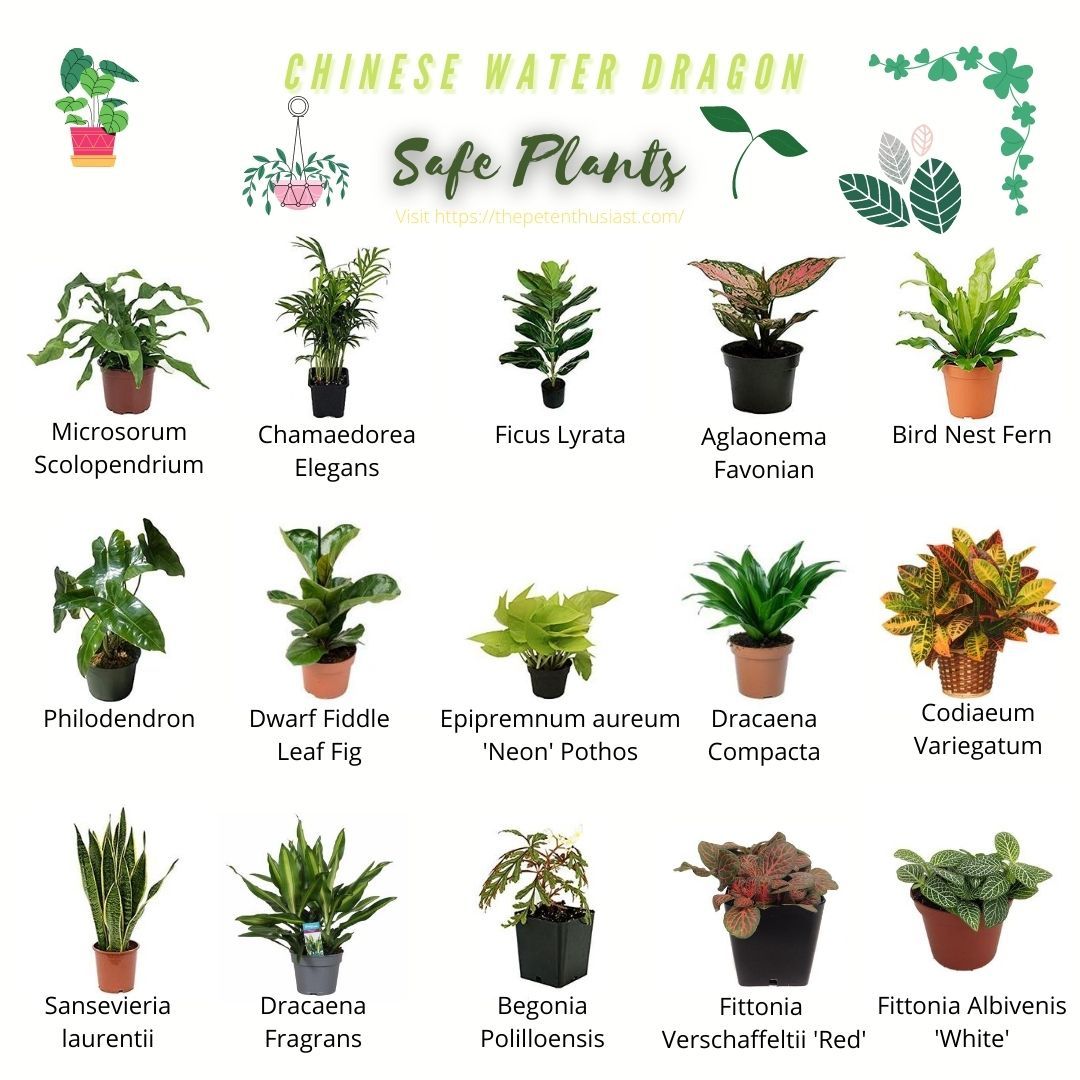
Asiatic water dragon habitat plants. Habitats vary widely and include rainforests in hotter areas and alpine streams in more temperate climates. Water Dragon Habitat. Plastic plants are easy to clean and maintain they are not at risk of being eaten and the plastic helps to boost humidity levels.
The back legs can even support the lizard as it moves on two legs. When your light source is off you need to maintain temperatures no lower than 80 degrees F. They are a bright green lizard with a long pointy tail.
The coloration is partly temperature dependent. Because Chinese water dragons are a tropical animal they need and want high temperatures. Water monitors will also often eat carrion.
Plastic plants offer a range of benefits and can be added on their own or combined with live plants to complete your natural Chinese water dragon enclosure. Water dragons are variable in color from dark to light green. Chinese water dragons are native to southern China and southeastern Asia Thailand Vietnam Laos Cambodia and Burma.
Each Chinese water dragon cage is handcrafted and careful sanded by our expert craftsman. Like all reptiles Chinese water dragons are ectothermus and must have a warm habitat in order to maintain their body temperature. Chinese water dragon tank setup will consist of preparing a cage adding bedding decorations and plants regulating lighting heating and humidity.
Although many associate the Chinese Water Dragon with only China Water Dragons are actually a breed of lizard originating from many different parts of Asia including Thailand Cambodia Vietnam and Laos. They have a keen sense of smell and can smell a carcass from far away. Buying building or making a DIY tank Depending on how old your Chinese water dragon is cage size can be different.
Water dragons will be found in built-up urban areas provided that the above conditions can be found and water quality is fair. Water dragons are a species of Asian lizard that people commonly keep as pets. These docile lizards make good pets and can be quite friendly when handled frequently.
See more ideas about chinese water dragon water dragon dragon. Australian water dragons are diurnal so they need day and night cycles. Rainforests in warm climates and alpine streams in.
Theyre also known as Chinese water dragons green water dragons Thai water dragons and Asian water dragons. Native to the lowland and highland forests of southern China and southeastern Asia Thailand Vietnam Laos Cambodia and Burma Chinese water dragons are most commonly found along the banks of freshwater lakes and streams. When the lizard is cooler the markings will.
During the day use a heat bulb to warm one side of the terrarium to 90. Asian water dragons have a third eye the pineal gland which is able to detect differences in light. Asian water monitors are carnivores and consume a wide range of prey.
They are good climbers and can drop from branches into the water if. The frames are made from solid oak although you can request maple or. Water Dragon Habitat.
The lizards use them for balance and defense. They eat fish frogs rodents birds crabs and snakes. Water dragons in Asia and Australia live near bodies of flowing water such as creeks rivers and lakes that have baking sites such as rocks or overhanging branches.
Habitat Enclosure Diet. They have massive tails that take up about 70 percent of the body. To insulate against the cold and help keep temperatures consistent we recommend.
They generally live around permanent standing water such as on banks of rivers in rainforests and in swamps. Asian Water Dragon Thai Water Dragon and Green Water Dragon Physical Description. Water Dragons are found in eastern Australia as well as southern New Guinea.
Despite their dragon-like appearance water dragons are harmless. Chinese Water Dragon Care Guide. The Asian water dragon is the larger of the two species.
These lizards like to hide and climb in trees so they will feel more comfortable and secure when they are. Asian water dragons inhabit forests and jungles in China India Vietnam Laos Burma and Thailand. Feb 22 2015 - Explore Lisa Szalanskis board Chinese Water Dragon on Pinterest.
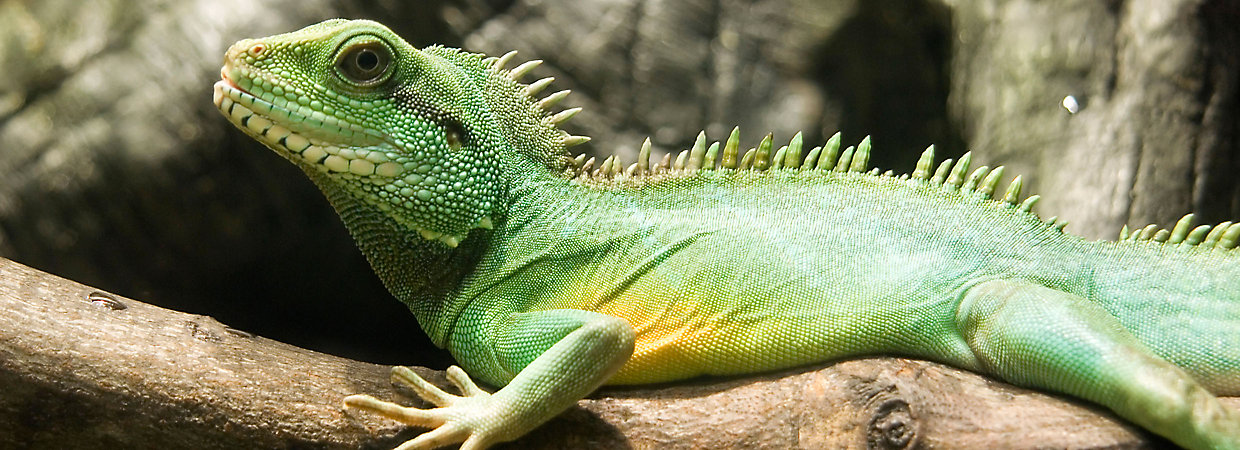
They live in lowland and highland forests and are most commonly found along the banks of freshwater lakes rivers and streams. They are also more colorful than Australian water dragons. Chinese water dragons have a pretty iconic profile.
They also need moist humid air. Asian water dragons are found in Thailand Vietnam Cambodia Laos Burma and southern China. Flowing water with ample tree cover and basking sites appear to be the key to habitat preference for this species.
052013 Physignathus cocincinus Chinese Water Dragon Class. They have also been known to eat turtles as well as young crocodiles and crocodile eggs. Chinese water dragons come from a very warm environment so they struggle with the colder climate in the UK and require heating and lighting to thrive.
Australian water dragons thrive in environments of at least 70 humidity all the time. Water dragons in Asia and Australia dwell near bodies of running water with baking sites such as rocks or overhanging trees such as creeks ponds and lakes. The feet all contain five toes.
The jade plant is toxic to cats and dogs but not typically for humans. The cause of jade plant poisoning in cats is ingesting the plant.
Silver Jade Plant Poisoning In Cats Symptoms Causes Diagnosis Treatment Recovery Management Cost
It is also known to be toxic to dogs and children.
Are jade plants toxic to cats. Are pearls and jade pothos toxic to cats. Jade Plant Baby Jade Dwarf rubber plant Jade tree Chinese rubber plant Japanese rubber plant Scientific Names. Plants Toxic to Cats.
For that reason it should be kept away from cats way out of reach. The cause of toxicity to cats or dogs is unknown but when these animals ingest this houseplant they may end up with the following symptoms. Jade plants are among the succulent plants that are poisonous to dogs and cats causing the clinical symptoms of vomiting depression and incoordination.
Jade plants are beautiful and easy to grow but are they toxic to cats. The succulent is poisonous to cats and causes depression vomiting as well as interfering with coordination if ingested. But how can you prevent your cat from touching or eating it.
Unfortunately jade plants are toxic to cats and can cause severe symptoms such as vomiting depression fatigue and incoordination tremors and an increased heart rate. The Jade Plant is poisonous for both cats and dogs. In some cases the leaves have been known to cause reactions in people who are sensitive or allergic so its best to be careful when handling them if you know your skin is susceptible.
All parts of the plant are toxic. Jade Plant is a succulent plant that has smooth shiny and thick leaves growing opposite in the branches. Some of the most toxic for cats include.
Therefore these plants are equally harmful to your cats. To dogs and cats. These plants vary in how they affect each cat with some being more toxic than others.
Crassula Arborescens also known as Silver Jade Chinese Jade Money Plant is native to South Africa. They contain various alkaloids that can cause vomiting drooling incoordination depression and lethargy. So now you know it is.
Some succulents are safe for cats while others are considered toxic. Adam-and-Eve Arum Lord-and-Ladies Wake Robin Starch Root Bobbins Cuckoo Plant. If it nibbles too much Jade plant poisoning can be fatal.
Toxic to Dogs Toxic to Cats Toxic to Horses. Cats are so fastidious they will not eat this plant unless there is nothing else to eat. It is sometimes referred to as the friendship tree.
It is native to Mozambique and South Africa. Jade plant are poisonous with toxic class 2 and 4 which include Dermatitis and minor toxicity that leads to vomiting stomach related problem. Jade plants may be poisonous to cats but its unlikely they will eat enough of it to become sick.
Without veterinary treatment Jade plant poisoning is fatal to cats. A popular plant worldwide the jade plant is native to South Africa and is known as a dwarf rubber plant and money plant among other names. Unfortunately people with pets deserve to know that jade plant lucky plant or Crassula ovata is toxic to cats and dogs with the leaves being the most harmful or poisonous.
How to prevent your cat from eating your jade plants. Typical symptoms include depression incoordination slow heart rate vomiting and weakness. They contain various alkaloids that can cause vomiting drooling incoordination depression and lethargy.
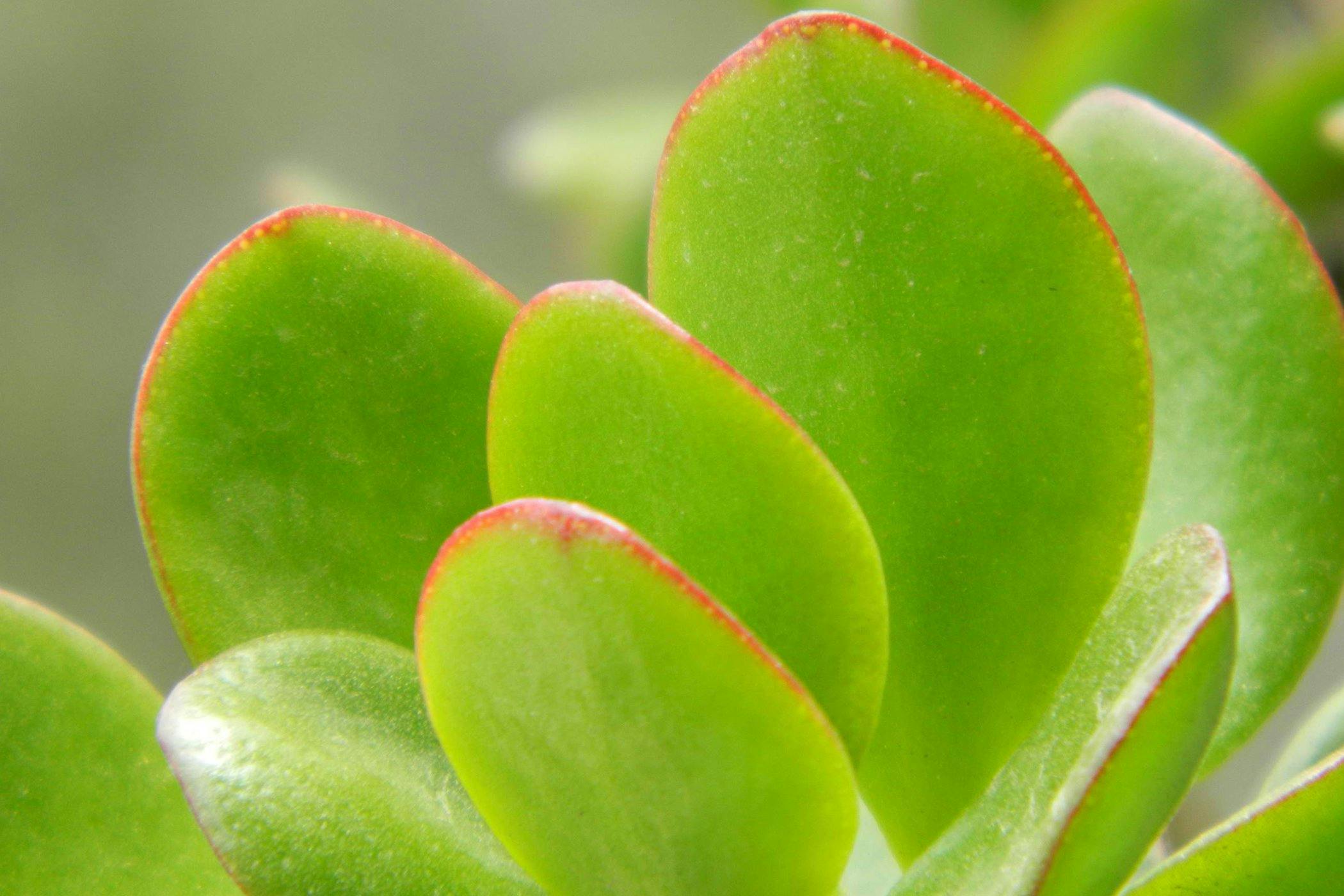
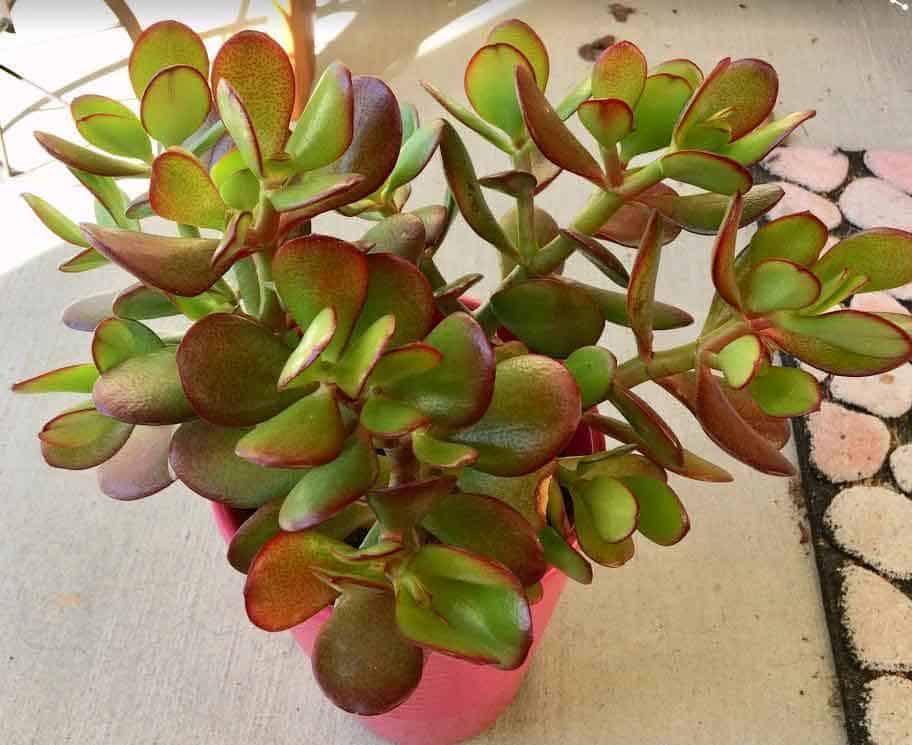
Pearl and Jade Pothos is toxic to cats. They are commonly referred to as a money plant or dollar plant. Their distinguishing features are their silver dollar leaves which are round and silvery-green in color with reddish edges.
Yes the jade plants are poisonous to cats. Are Jade plant Toxic to Cats. It may look harmless but must be avoided by cats.
As in the case of dogs cats are also likewise affected by these plants. The jade plant is a common indoor plant preferred because it is low maintenance. Yes all parts of the jade plant are toxic to cats and can cause serious medical issues if your kitty chews or ingests them.
Other nicknames include baby jade plant jade tree Chinese Japanese or dwarf rubber plant. Crassula argentea Family. Symptoms of Jade plant poisoning include loss of muscle function vomiting and a slow heart rate.
It features white or pink flowers and rich jade green leaves that may also appear yellow-green. Crassula Arborescens Silver Jade Plant Toxicity. Are Succulents Safe for Cats.
Jade plants also known as money plants can be a toxic danger to cats. Also called rubber plants or money trees all parts of this plant is poisonous to cats. Baby Jade Dwarf rubber plant Jade tree Chinese rubber plant Japanese rubber plant.
The toxic substance is unknown. The toxic principles of the plant are also unknown though current literature suggests that the highest concentrations of toxins are found in the leaves. The amount of the plant your cat needs to ingest in order to become poisoned is currently unknown.
17122021 by Harry Chen. These Jade can harm less in humans but for Cats Dogs Horses after ingesting they feels depressed lack of coordination itchy bad irritation and stomach issues. Consider other safer succulents for your home.
A popular plant worldwide the jade plant is native to South Africa and is known as a dwarf rubber plant and money plant among other names. Research conducted by The University of California states that the jade plant is toxic to all your pets including dogs cats and other small animals.
Jade Plant Cat Behavior Consultant Feline Fab

Pearl and Jade Pothos is toxic to cats.
Are jade plants poisonous to cats. Cats and poisonous flowers and plants. Will cats eat poisonous plants. Take a look at some beautiful bonsai trees you can add to your collection and that make excellent cat-friendly indoor trees.
The most dangerous plant is the lily - all parts are toxic. Jade Plants Also called rubber plants or money trees all parts of this plant is poisonous to cats. However jade plant poisoning is fatal for cats if left untreated.
There is no clear answer as currently the toxic properties of the Jade plant is unknown. All parts of a jade plant are toxic to cats when ingested. They can affect cats and dogs causing distressing symptoms.
How to prevent your cat from eating your jade plants. The jade plant is toxic to cats and dogs but not typically for humans. It may look harmless but must be avoided by cats.
Jade plants also known as money plants can be a toxic danger to cats. The jade plant Crassula ovata is one of the toxic family members of the Crassula. Jade plant are poisonous with toxic class 2 and 4 which include Dermatitis and minor toxicity that leads to vomiting stomach related problem.
Well tell you about some of these later in this article. Yes all parts of the jade plant are toxic to cats and can cause serious medical issues if your kitty chews or ingests them. Because Jade plants can get quite large keeping them out of the reach of cats might be difficult.
Its not exactly known how much a cat needs to eat to become ill or poisoned. Its not known precisely why these plants produce such severe reactions in animals but they are highly toxic. Are Jade Plants Poisonous For Cats.
In some cases the leaves have been known to cause reactions in people who are sensitive or allergic so its best to be careful when handling them if you know your skin is susceptible. However jade plant poisoning is fatal for cats if left untreated. Cats are so fastidious they will not eat this plant unless there is nothing else to eat.
If you suspect your cat has ingested the jade plant in any quantity you should take it to the vet immediately to ensure the best prognosis. The Jade Plant is poisonous for both cats and dogs. It is native to Mozambique and South Africa.
Causes of Jade Poisoning in Cats. The jade plant is a common indoor plant preferred because it is low maintenance. Jade plants can also affect livestock such as horses and cattle if grown outdoors.
These Jade can harm less in humans but for Cats Dogs Horses after ingesting they feels depressed lack of coordination itchy bad irritation and stomach issues. Typical symptoms include depression incoordination slow heart rate vomiting and weakness. It features white or pink flowers and rich jade green leaves that may also appear yellow-green.
The jade plant is known by many names including baby jade jade tree and Chinese rubber plant. Nor is there a known antidote to the toxin. The cause of toxicity to cats or dogs is unknown but when these animals ingest this houseplant they may end up with the following symptoms.
If ingested it may cause heart irregularities gastric issues drooling vomiting and difficulty breathing. Simply brushing the jade plant shouldnt cause any irritation. They contain various alkaloids that can cause vomiting drooling incoordination depression and lethargy.
Jade plants are beautiful and easy to grow but are they toxic to cats. So now you know it is. However there are other plants and flowers both indoors and outdoors that can be harmful to cats.
Jade plants are highly toxic to animals if ingested. It is also known to be toxic to dogs and children. If you suspect your cat has ingested the jade plant in any quantity you should take it to the vet immediately to ensure the best prognosis.
Are pearls and jade pothos toxic to cats. They contain various alkaloids that can cause vomiting drooling incoordination depression and lethargy. If you suspect your cat has ingested the jade plant in any quantity you should take it to the vet immediately to ensure the best prognosis.
Most cats are very wary of eating anything unusual which means plant poisoning cases taken to the vets are rare. The effects on humans are less intense than those on your four-legged friends. The exact toxic principles of the plant are currently unknown.
Baby Jade Dwarf rubber plant Jade tree Chinese rubber plant Japanese rubber plant. The succulent is poisonous to cats and causes depression vomiting as well as interfering with coordination if ingested. The jade plant can be toxic if ingested by humans horses dogs and cats.
The exact toxic principles of the plant are currently unknown. Jade plants are among the succulent plants that are poisonous to dogs and cats causing the clinical symptoms of vomiting depression and incoordination. Toxic to Dogs Toxic to Cats Toxic to Horses.
For that reason it should be kept away from cats way out of reach. However jade plant poisoning is fatal for cats if left untreated. Unfortunately people with pets deserve to know that jade plant lucky plant or Crassula ovata is toxic to cats and dogs with the leaves being the most harmful or poisonous.
If it nibbles too much Jade plant poisoning can be fatal. Jade Plant is a succulent plant that has smooth shiny and thick leaves growing opposite in the branches. But how can you prevent your cat from touching or eating it.
Yes all parts of the jade plant are toxic to cats and can cause serious medical issues if your kitty chews or ingests them. Why is a jade plant toxic to cats. Consider other safer succulents for your home.
Consider other safer succulents for your home. While several bonsai trees are toxic to cats particularly the jade plants and sago palm there are plenty of other non-toxic plants. Jade plants may be poisonous to cats but its unlikely they will eat enough of it to become sick.
It is sometimes referred to as the friendship tree. Is Jade plant poisonous.